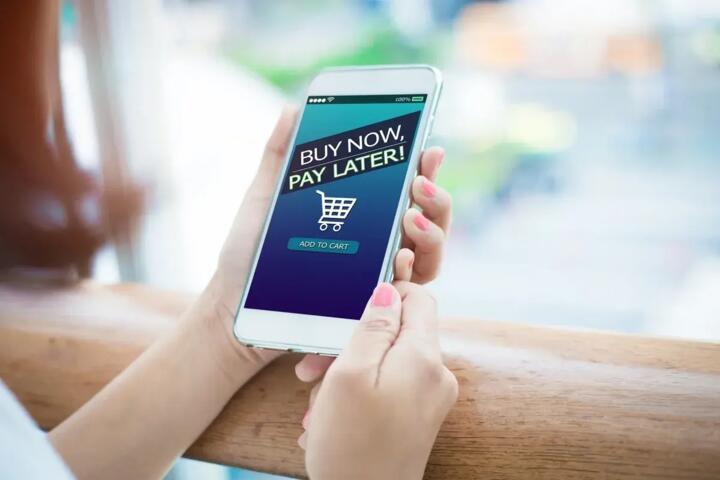
This FAQ explains how Buy Now, Pay Later (BNPL) plans typically work when used for vehicle purchases or related automotive expenses. It focuses on the questions most likely to affect your total cost and your ability to keep payments on track. Because BNPL terms vary by provider, country, and the specific offer shown at checkout, treat the answers as general guidance and confirm details in your contract.
What is Buy Now, Pay Later (BNPL) and how is it different from a loan?
Buy Now, Pay Later (BNPL) is a payment arrangement that lets you split the purchase into scheduled payments, sometimes with a promotional “no interest” period. Unlike a traditional auto loan, BNPL terms and underwriting can be simpler and may be offered through a retailer or payment provider rather than a bank. The key difference is that BNPL can have fees and strict timing rules that change the effective cost.
Will a BNPL provider run a credit check when I apply?
Many BNPL providers perform some form of credit or identity verification, but the type and depth of the check can vary. Some may use “soft” checks for eligibility, while others may use “hard” credit inquiries depending on the amount, risk, and local rules. Even when the inquiry is soft, your payment history and account behavior can still be reported in some markets.
Before applying, look for the exact wording in the offer terms about credit reporting, inquiry type, and whether approval is conditional on verification.
What fees should I expect with BNPL for a car purchase?
BNPL fees commonly include late payment fees, missed-payment charges, and sometimes a fee if you pay outside the plan schedule. Some offers advertise “no interest” but still charge fees if you don’t meet the promotional conditions. Fees can also differ by provider and by whether the purchase is financed through a partner lender.
If you’re comparing options, focus on the total cost of the plan (including any late or installment fees) rather than only the headline “0%” or “no interest” message.
How do returns, cancellations, and refunds work if I used BNPL?
Returns usually trigger a refund process that may cancel future installments and/or adjust what you owe, but the timing and method vary by provider and retailer. Some plans require the refund to be processed before the next scheduled payment, while others may still collect payments until the refund is confirmed. If you cancel the purchase, ask whether the BNPL account is closed automatically or requires manual action.
For clarity, keep proof of return authorization and track the refund status against your BNPL schedule.
What happens if I miss a BNPL payment on time?
If you miss a payment, BNPL plans typically charge a late fee and may change the account status, such as moving you to a standard repayment schedule or requiring immediate payment of remaining installments. Some providers also report delinquency to credit bureaus depending on local practices and the plan structure. The consequences can be more severe if you miss multiple payments.
Contact the provider immediately if you foresee a miss; some plans offer hardship or payment re-scheduling, but it is not guaranteed.
Can I pay early or pay off the BNPL balance sooner?
Many BNPL plans allow early payoff, but the rules differ: some let you pay the remaining balance at any time, while others may require you to follow a specific process or wait until a certain date. Early payoff can reduce the chance of late fees, but it may not always eliminate all charges if the plan already assessed them.
Check your contract for “early settlement” terms and whether any fees apply when you pay off early.
Are BNPL plans available for all vehicle purchases and add-ons?
BNPL availability can be limited by the retailer, vehicle type, and the specific transaction category (for example, vehicle price vs. taxes, dealer add-ons, warranties, or service packages). Some providers may exclude certain fees or only finance the vehicle portion. Availability can also depend on the country, the provider’s partner network, and whether the purchase is in-store or online.
Confirm what line items are covered before you commit, especially for taxes, registration-related charges, and dealer-installed options.
What limitations should I watch for with BNPL installment schedules?
BNPL plans often have fixed installment dates and may require payments to be made from a specific funding source (like a linked bank account or card). If your payment method expires or your account lacks funds on the due date, you can trigger late fees even if you intended to pay. Some plans also have limits on how many active BNPL accounts you can hold.
Consider setting reminders and ensuring your payment method remains valid through the full schedule.
How can I avoid surprises when using BNPL for an auto purchase?
To avoid surprises, verify the total repayment amount, due dates, late-fee rules, and the refund/return handling process before you finalize the purchase. If the offer includes a promotional period, confirm exactly what conditions you must meet to keep interest or fees at zero. Also check whether the BNPL plan is tied to the dealer transaction or a separate lender agreement.
If you want a broader checklist for vehicle financing decisions, see how to compare car financing vs. BNPL and a buyer’s checklist for dealer add-ons and warranties.
What should I verify for my specific vehicle and market before choosing BNPL?
Verify the BNPL provider’s exact contract terms for your country, the specific offer shown at checkout, and which parts of the transaction are eligible. Confirm whether any credit inquiry will occur, how returns are processed, and what happens if you miss a payment. If you’re buying a used car, also check how the dealer handles documentation and timing, since delays can affect installment schedules.
For practical next steps, review how to read BNPL terms and payment schedules and what to do if you can’t make a payment before you sign.
Closing note: BNPL can be convenient, but the real impact comes from the fine print—fees, due dates, refund timing, and credit-reporting practices. Before committing, compare the BNPL total cost against alternatives (like a traditional auto loan or credit card) using the same assumptions for your budget and repayment timeline.