Popular Articles
 Smart Money
15.09.2026
Smart Money
15.09.2026
10 Practical Ways to Reduce Recurring Household Bills
Household bills have a sneaky way of creeping up month after month—often without you noticing until the total feels overwhelming. This guide is designed for both renters and homeowners who want to bring those recurring costs down without taking big risks or making drastic lifestyle changes. We’ll walk through practical ways to save on energy and water, trim insurance expenses, and clean up subscription spending. You’ll see what’s worth adjusting, what you should double-check first (so you don’t accidentally create new fees or reduce coverage), and how to pick the best moves for your home and budget. Every tip includes the real trade-offs, so you can save money without making expensive mistakes later.
 Smart Money
09.09.2026
Smart Money
09.09.2026
How Insurance Deductibles, Limits, and Exclusions Really Work
Insurance deductibles, limits, and exclusions decide how much you pay and what the policy will (and won’t) cover after a claim. This guide explains the mechanics in plain language so car owners can compare options, estimate out-of-pocket risk, and avoid common coverage gaps. You’ll learn how deductibles apply, how limits cap payouts, how exclusions work, and a practical checklist for choosing coverage that fits your driving and budget.
 Smart Money
03.09.2026
Smart Money
03.09.2026
High-Yield Savings Account vs Money Market Account: What Is the Difference?
Choosing between a high-yield savings account and a money market account affects how you earn interest and how easily you can access cash. This guide explains how these accounts typically differ in interest rates, liquidity, fees, and transaction rules. It’s for savers comparing options at banks or credit unions who want to match an account type to their goals and spending habits. You’ll learn what to check before opening either account.
 Smart Money
28.08.2026
Smart Money
28.08.2026
Buy Now, Pay Later FAQ: Fees, Credit Checks, Returns, and Missed Payments
Buy Now, Pay Later (BNPL) can make a car purchase look easier on your budget, but the true price comes down to the fine print—fees, due dates, and whether you’ll even be approved for the amount you need. This FAQ breaks down how BNPL is used in vehicle buying, what kinds of credit checks might be involved, and how cancellations, returns, or dealer changes are usually handled. It also explains what happens if you miss a payment (from late fees to account restrictions) and highlights common limits that can catch buyers off guard. You’ll finish with practical tips to reduce risk and avoid unpleasant surprises at checkout.
 Smart Money
22.08.2026
Smart Money
22.08.2026
Case Study: Monthly vs Annual Payments for Insurance and Subscriptions
Car owners often juggle insurance and subscription costs while trying to avoid cash-flow surprises. This case study explains how monthly vs annual payment choices can change risk, budgeting, and cancellation timing for drivers and enthusiasts. It’s aimed at people managing vehicle expenses, not just tech bills. Readers will learn a practical decision checklist and how to map payment terms to real ownership risks.
 Smart Money
17.08.2026
Smart Money
17.08.2026
Case Study: How a Fake Technical Support Call Gained Access to a Computer
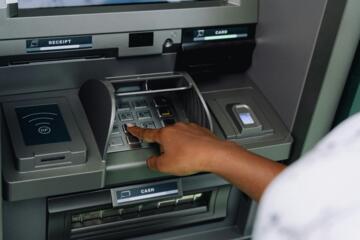
This article explains how fake technical support calls use social engineering to gain access to a computer, then what to do when you suspect you were targeted. It’s for readers who want practical, evidence-based steps for protecting accounts, devices, and personal data. You’ll learn the typical call flow, the supporting technologies scammers rely on, how to respond safely, and how to compare recovery options without falling for more scams.
 Smart Money
16.08.2026
Smart Money
16.08.2026
12 Banking Fees You Can Often Avoid
Bank fees add up through overdrafts, ATM charges, account maintenance, and “convenience” add-ons. This guide helps everyday account holders spot common fee triggers, understand how banks calculate them, and choose safer alternatives. You’ll learn 12 frequent fee types, practical ways to reduce or avoid each one, and a checklist for reviewing your statements. It’s written for people who want clearer decisions, not fine-print surprises.
 Smart Money
10.08.2026
Smart Money
10.08.2026
How to Compare Bank Accounts: Fees, Limits, Interest, and Hidden Conditions
Choosing the right bank account is less about the headline interest rate and more about the total cost and the rules that trigger fees. This guide helps you compare checking and savings accounts using a practical checklist: monthly fees, transaction limits, interest calculations, and common “gotchas.” You’ll learn how to estimate your true annual cost, evaluate account terms, and make a confident decision based on your banking habits.
 Smart Money
04.08.2026
Smart Money
04.08.2026
Debit Card vs Credit Card: Which Is Safer for Everyday Purchases?
Whether you pay with a debit card or a credit card can make a big difference if something goes wrong - like fraud, a shady charge, a merchant dispute, or a simple billing mistake. This guide explains the real, day-to-day safety differences between the two, including how protections work, what your potential liability looks like, and why the impact on your cash flow isn’t the same. It’s written for regular shoppers who want a clear, use-case-based way to decide what to use at the register or online, plus a practical checklist of questions to run through before you hit “pay.”
 Smart Money
29.07.2026
Smart Money
29.07.2026
Credit Freeze FAQ: What It Does, When to Use It, and What It Cannot Prevent
A credit freeze can help limit new credit being opened in your name by blocking access to your credit reports. This FAQ is for car buyers, owners, and anyone concerned about identity theft or account misuse. You’ll learn how freezes work, when to use them, what they cost, how to lift or remove them, and key limits to understand. It also covers common edge cases and practical steps to stay protected.