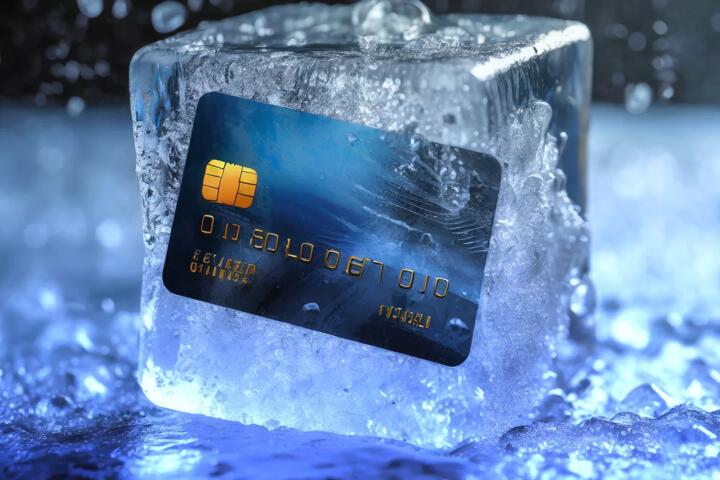
This FAQ explains how a credit freeze works, when it can be useful, and what it cannot stop. It’s written for informed consumers who want to protect their identity—especially when they’re planning major purchases like a vehicle, financing a repair, or dealing with suspected fraud.
1) What does a credit freeze do?
A credit freeze restricts most lenders from accessing your credit report, which can make it harder for someone to open new credit accounts in your name. It does not affect your existing accounts, and it generally doesn’t stop all types of identity misuse (like using your current cards or accounts).
How it behaves can vary by country and by the credit bureau system used, but the core idea is the same: you control when access is allowed.
2) When should I use a credit freeze?
You should consider a credit freeze when you suspect identity theft, have experienced a data breach, or want to reduce the risk of new accounts being opened without your permission. It can also be useful if you’re not planning to apply for new credit soon and want a stronger barrier.
If you plan to apply for vehicle financing, a freeze may require you to temporarily lift it so the lender can review your credit.
3) Does a credit freeze stop all fraud and identity theft?
No, a credit freeze does not stop every form of identity theft. It primarily targets new credit being opened using your credit file, but it won’t prevent misuse of existing accounts, account takeovers, or fraudulent activity that doesn’t require a lender to pull your credit report.
For broader protection, you may also need steps like monitoring accounts, changing passwords, enabling multi-factor authentication, and reviewing transaction history.
4) How much does a credit freeze cost?
In many places, placing and removing a credit freeze is free, but fees and rules can vary by country, bureau, and consumer status. Some jurisdictions also have different processes for temporary freezes or alerts.
Before you act, confirm the exact cost and process on the official credit bureau or government site for your location.
5) Will a credit freeze affect my ability to get car financing?
A credit freeze can delay or block a lender’s ability to approve new credit unless you allow access for the application. Many lenders need to access your credit report to underwrite auto loans or leases, so you typically must lift or temporarily thaw the freeze.
Check with your lender about timing and how they handle credit pulls, then plan the lift window accordingly.
6) How do I lift (thaw) or remove a credit freeze?
You usually lift or remove a freeze by using the bureau’s online portal, phone system, or mail process, often with a personal PIN or account credentials. A temporary lift can be set for a specific period or for a specific lender, depending on the bureau’s options.
Because timing matters for loan approvals, do this before you submit applications and keep confirmation details.
7) Does a credit freeze stop background checks for jobs or insurance?
A credit freeze may not stop every type of inquiry, because different organizations use different access rules and permissible purposes. Some checks may still occur even with a freeze, while others may be blocked or delayed.
If you’re expecting a background check (for a job, licensing, or certain insurance workflows), verify how your local system treats those inquiries.
8) What are the limitations of a credit freeze for existing accounts?
A credit freeze generally does not affect existing credit accounts, so it won’t stop someone from using your current credit cards or changing details on an account you already have. It also won’t prevent fraud that relies on information other than your credit report.
If you’re worried about account takeover, focus on account-level security: update passwords, review statements, and contact issuers promptly if you see suspicious activity.
9) What should I do if I’m already a victim of identity theft?
If you suspect identity theft, a credit freeze can be a helpful step to reduce new-credit risk, but it should be paired with additional actions. Common next steps include contacting the credit bureaus, reviewing your credit reports for fraudulent accounts, and reporting identity theft through official channels in your country.
For car-related impacts, also check whether any fraudulent auto loans, leases, or registrations were attempted using your identity.
10) Are there edge cases where a freeze might not help as expected?
Yes. A freeze may not address fraud that doesn’t require a credit report pull, and it may not cover all data sources or all types of inquiries. Also, if you forget to lift the freeze for a time-sensitive application, you could experience delays even if you’re the legitimate applicant.
For vehicle financing decisions, consider reviewing your credit report and planning the freeze lift window before you apply. If you want a broader checklist, see how to prepare your credit before applying for an auto loan.
Quick checklist: what to verify for your vehicle and market
Before relying on a freeze, confirm the rules for your country and the specific credit bureau(s) involved, whether freezes are free where you live, and how temporary lifts work for lender credit pulls. If you’re planning car financing, verify the lender’s timing and credit-pull requirements, and make sure you can lift the freeze quickly when needed.
If you’re also thinking about protecting your finances beyond credit files, you may find it useful to read identity theft protection steps that go beyond credit freezes and how to review your credit report for errors and fraud.