Why Fancy Specs Fail
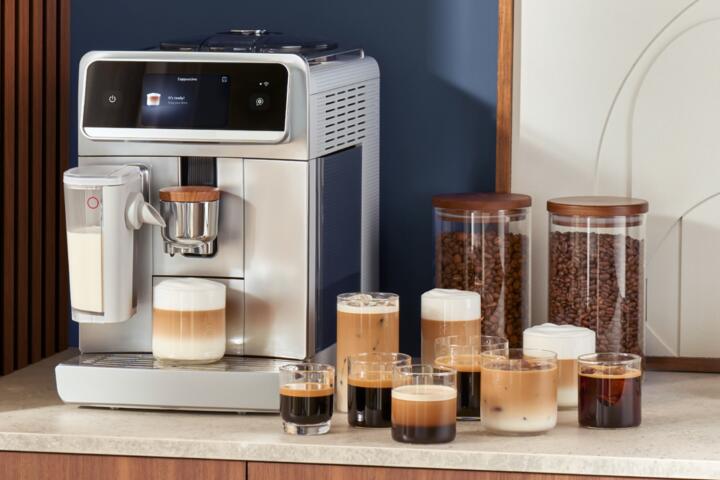
Walk into an appliance store and every coffee machine starts sounding like a spaceship. One promises 18 drink presets. Another has Wi-Fi. A third flashes colored lights while talking about “barista-grade extraction” in fonts large enough to make you suspicious.
Meanwhile, a simple machine with stable brewing temperature often makes the better cup.
That disconnect explains why so many buyers spend $900 and still end up back at the café 3 weeks later. They bought features instead of performance. Manufacturers know most people compare machines the same way they compare TVs: more settings must mean higher quality.
Usually, it does not.
The Specialty Coffee Association says proper brewing temperature sits between 195 and 205 degrees Fahrenheit. Yet plenty of budget drip machines swing wildly outside that range during a single brew cycle. No app fixes that problem.
The same thing happens with espresso machines. A weak grinder paired with unstable pressure creates thin shots, bitter flavor, and milk drinks that taste expensive rather than good.
What Buyers Miss
A lot of people shop for coffee machines based on appearance first. Matte black finishes. Chrome accents. Touch panels. None of that changes extraction quality.
Others focus entirely on pressure numbers. “15-bar Italian pump” became marketing wallpaper years ago. Espresso usually brews around 9 bars. Machines shouting about 20 bars are often compensating for weaker components elsewhere.
Ignore giant pressure claims.
Cleaning also gets ignored until month two. Then milk residue starts drying inside tubes, oils coat the grinder chute, and suddenly the machine feels like a second job before breakfast.
Pod systems create another trap. They look cheap upfront, then quietly cost hundreds per year through capsules. A household drinking 4 pods daily can easily spend $1,200 annually on coffee alone. Whole beans cost far less per cup.
Convenience has a price.
There is also the durability issue. Some entry-level espresso machines use too much plastic around the group head and internal valves. They work nicely for 8 months, then steam pressure weakens or leaks start appearing around seals...
The Features Worth Paying For
Stable brewing temperature
This matters more than nearly everything else. Water that runs too cool creates flat, sour coffee. Too hot and the cup turns bitter fast.
Machines certified by the Specialty Coffee Association usually maintain tighter brewing control. Brands like Technivorm Moccamaster and Breville tend to perform well here because they prioritize heating consistency over flashy menus.
A good brewer reaches target temperature quickly and stays there through the full cycle. That consistency changes flavor immediately, even with grocery store beans.
You taste it fast.
A grinder built into the system
Fresh grinding changes coffee more than most people expect. Beans start losing aromatic compounds within minutes after grinding.
Machines with burr grinders usually outperform blade grinder systems because the grounds come out more even. Breville Barista Express models became popular partly for this reason. The grinder is not perfect, but it removes one major weak point from home espresso.
Skip machines using low-quality blade grinders inside bean-to-cup systems. Uneven grounds create uneven extraction, and the espresso starts tasting muddy.
Easy cleaning access
Buy the machine you will actually maintain. Removable brew groups, accessible drip trays, and rinse reminders matter a lot after the honeymoon phase ends.
Jura machines make excellent coffee but can frustrate owners because some cleaning processes rely heavily on branded tablets and internal systems. Philips and De’Longhi often offer easier day-to-day access for home users.
A machine ignored for 30 days tastes like it.
Good milk steaming power
If you drink cappuccinos or flat whites, weak steam pressure becomes annoying fast. Cheap steam wands produce watery foam with giant bubbles instead of smooth microfoam.
Look for machines with dedicated thermoblocks or dual boilers if milk drinks dominate your routine. Dual boiler systems cost more, usually above $1,200, but they let you brew espresso and steam milk simultaneously.
That saves time every morning.
Fast heat-up times
Some espresso machines need 12 to 15 minutes before they fully stabilize. That sounds manageable until Monday morning hits and you are standing in the kitchen staring at blinking lights.
ThermoJet systems from Breville heat in roughly 3 seconds. Not every fast-heating machine produces great espresso, but long startup times absolutely affect real-world use.
People abandon slow routines.
Water filtration support
Hard water destroys coffee equipment quietly. Mineral buildup affects heating efficiency, flavor, and internal pressure over time.
Machines with built-in filtration or easy descaling programs tend to last longer. This matters even more in areas with hard municipal water. Parts of Texas, Nevada, and southern England are notorious for scale buildup inside coffee machines.
A $20 filter can prevent a $250 repair.
Manual control options
Fully automatic systems feel convenient at first, but many coffee drinkers eventually want more control over grind size, shot timing, or water ratios.
Machines that offer both presets and manual adjustment age better inside a household. One person wants a one-touch latte. Another wants to tweak extraction by 3 seconds because the beans changed.
Both can coexist.
Quiet operation
This sounds minor until the machine screams through a 6 a.m. grinding cycle loud enough to wake the apartment next door.
Higher-end grinders and better internal insulation reduce vibration dramatically. Jura and Miele models usually handle this better than cheaper super-automatic machines.
Noise changes habits more than reviews admit.
Machines That Got It Right
Breville built much of its reputation by focusing on workflow instead of marketing theater. The Barista Pro heats quickly, includes a capable burr grinder, and gives users enough manual control without feeling intimidating. That combination matters because many beginners quit espresso after wrestling with machines that feel overly technical.
Technivorm Moccamaster took a different route. The company barely changed the design language for years. No giant screen. No drink presets. Just stable brewing temperature, durable copper heating elements, and parts that can actually be replaced instead of discarded.
That simplicity aged well.
Nespresso succeeded for another reason entirely: convenience. A pod machine produces decent coffee in under 60 seconds with almost no cleanup. The downside appears later through capsule costs and less flavor flexibility. Heavy users eventually notice they are paying café-level prices for coffee consumed at home.
Then there is the budget category. Ninja and Cuisinart machines often load products with features buyers notice in online listings — iced settings, fold-away frothers, giant control panels. Some perform fine. Others spread money across gimmicks instead of core brewing quality.
Quick Feature Checklist
| Feature | Helps | Skip? | Notes |
|---|---|---|---|
| BurrGrinder | Yes | No | Better extraction |
| WiFiApp | Rarely | Often | Mostly gimmick |
| DualBoiler | Yes | No | Best for milk |
| TouchScreen | Maybe | Often | Adds complexity |
Common Buying Mistakes
The first mistake is buying too much machine. Someone drinks 2 cups of drip coffee daily and ends up with a massive prosumer espresso setup requiring constant calibration. Six months later the machine sits unused beside an electric kettle.
Match the machine to the habit.
Another mistake is underestimating grinder quality. People spend $700 on an espresso machine, then pair it with stale pre-ground coffee from the supermarket. That combination wastes the machine’s strengths immediately.
Buyers also ignore counter space. Super-automatic systems can stretch 18 inches deep once water reservoirs and bean hoppers need clearance. Small kitchens start feeling crowded fast.
Then there is maintenance denial. Every coffee machine needs cleaning. Every single one. Machines marketed as “self-cleaning” usually still need manual rinsing, descaling, and milk system care at least every few weeks.
No machine escapes physics.
Finally, many shoppers chase café replication too early. A home machine rarely reproduces a specialty café setup costing $18,000 with commercial grinders and filtered water systems. Expect improvement, not miracles.
FAQ
Does higher pressure make better espresso?
No. Espresso generally extracts around 9 bars of pressure. Machines advertising 15 or 20 bars are often using marketing language more than brewing science.
Are built-in grinders good enough?
Some are. Burr grinders inside Breville and Jura systems perform well for most home users. Cheap blade grinders usually create uneven grounds and weaker flavor.
How long should a coffee machine last?
A well-maintained drip machine can last 7 to 10 years. Higher-end espresso machines sometimes run far longer if parts remain replaceable and descaling happens regularly.
Do pod machines save money?
Usually not for heavy coffee drinkers. Capsules often cost far more per cup than whole beans, even though the machines themselves seem affordable upfront.
Is a dual boiler worth the price?
For people making multiple milk drinks daily, yes. Dual boilers let the machine brew espresso and steam milk simultaneously, which speeds up the workflow considerably.
Author's Insight
I have tested enough coffee machines to notice the same pattern over and over: buyers remember the coffee quality long after they stop caring about the screen size or smart features. The machines people keep for years usually do boring things well. Stable heat. Reliable grinders. Fast cleanup.
If I were spending my own money today, I would rather buy a simpler machine with stronger internals than a flashy model packed with extra modes I will touch twice. Good coffee routines survive because they stay easy...
Summary
The best coffee machine features are rarely the loudest ones on the box. Brewing temperature stability, grinder quality, cleaning access, steam performance, and water management shape the daily experience far more than touchscreens or app support.
Buy based on how you actually drink coffee. A reliable machine that fits your habits will outlast feature-heavy models built mainly for showroom attention.