Understanding Your Stride
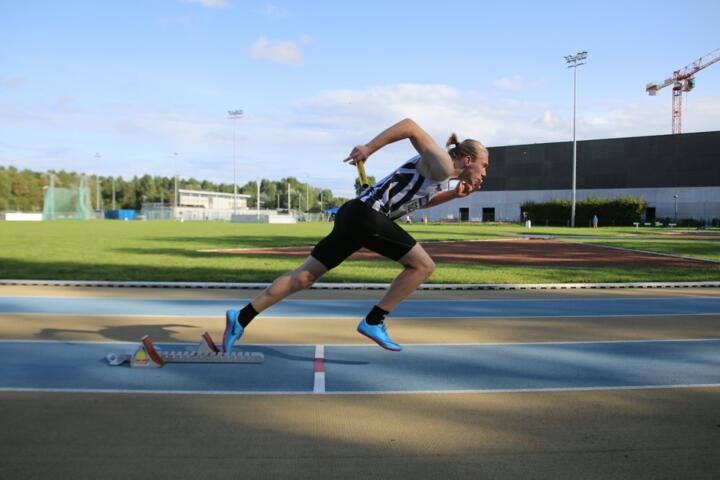
Running stride varies widely across individuals. It depends on factors such as foot strike pattern, cadence, and foot arch height. For example, a heel striker lands on the back of the foot, which differs finely from a midfoot or forefoot striker. Research shows about 75% of runners are rearfoot strikers, which impacts shock absorption requirements from shoes. Identifying how your foot hits the ground clarifies which shoe models help you maintain comfort and prevent injury.
This means more than guessing your shoe size. It means knowing how your foot moves through each step and the force it endures.
Issues in Shoe Selection
Ignoring stride characteristics leads to problems such as joint pain, blisters, and inefficient form. Runners often pick shoes based solely on style or brand reputation instead of fit or function. This causes stress on knees or Achilles tendons, which is surprisingly frequent—studies find almost 80,000 running injuries annually attributed to improper footwear.
For example, a runner with overpronation wearing neutral shoes may feel excessive wear on the medial side of the sole. The mismatch often results in compensating gait changes that worsen injuries over time.
The wrong shoe boosts fatigue, too. A marathoner with a low cadence and cushioned shoes may feel sluggish compared to switching to a shoe with firmer responsiveness that promotes better energy return. Footwear must align with mechanics.
Practical Steps to Find Fit
Analyze Your Foot Strike
Start by recording your running using slow-motion video or a treadmill with a mirror. Look at the first point of ground contact. Heel striking calls for cushioning in the heel area to dissipate impact, while midfoot or forefoot strikers benefit from shoes with more forefoot flexibility.
Saucony's Guide 15 supports mild overpronation with good heel protection, effective for heel strikers who need stability. In contrast, the Nike Zoom Fly offers lightweight responsiveness that suits forefoot strikers.
Measure Arch Type
Use the wet test: dampen your foot and step onto cardboard. The imprint reveals arch shape—full imprint signals flat feet, faint midfoot indicates high arch, and moderate imprint suggests normal arch. Flat feet often need motion control shoes with strong arch support, like Asics Gel-Kayano 28. High arches require cushioning to absorb shock, found in Brooks Glycerin 20.
Consider Gait Analysis Services
Specialized stores and clinics offer gait analysis with pressure mats and 3D foot scans. They provide data on pressure distribution and pronation angles. Consultations lead to recommendations backed by measurable data, increasing shoe choice accuracy. Some labs report a 30% reduction in injury rates when runners buy shoes guided by these tests.
Account for Terrain and Running Style
Trail runners need more aggressive treads and rock plates than road runners. Lightweight shoes favor speed work, while durable builds handle long distances. For example, the Hoka One One Speedgoat 5 excels off-road, versus New Balance Fresh Foam 1080v12 for asphalt.
This detail often becomes clear after discomfort sets in during different surfaces. Keep a backup pair, and alternate shoes to reduce repetitive stress.
Prioritize Proper Fit, Not Just Size
Length and width matter, but so does volume inside the shoe. Feet swell during runs, so allow about 1 cm space from toe to shoe tip. Wide feet require models with broader lasts; brands like Altra provide zero-drop shoes with roomier toe boxes.
Trying shoes later in the day captures natural foot expansion. Skipping this means buying a pair too tight or narrow, ending in hotspots or blisters.
Use Wear Patterns to Adjust Choices
Inspect old shoes for sole wear. Underpronators often wear out the outer edge, overpronators the inner side. Balance this against performance needs, then test an alternative shoe with corresponding support type. For example, a runner noticing rapid medial wear switched to a Brooks Adrenaline GTS and reported better alignment and 15% fewer post-run aches.
Test Shoes with Short Runs
Try new shoes on short runs before committing to long distances. Comfort felt after 3-5 km is more telling than walking around a store. Real running stresses the shoe differently, revealing fit and cushioning issues.
Monitor Fatigue and Recovery
Good shoes reduce post-run soreness. Track recovery time and muscle fatigue when using different models. Runners on minimalist shoes sometimes misjudge soreness as normal; however, prolonged stiffness suggests poor shoe compatibility.
Replace Shoes After Set Mileage
Running shoes degrade over time, losing support after about 300-500 miles. Mark this on your calendar or app to avoid running on worn-out soles. Worn shoes significantly increase injury risk, according to a 2018 study published by the Journal of Sports Science.
Success Stories
A local running club had repeated cases of shin splints. Members underwent gait analysis and switched from generic shoes to models correct for their stride patterns. After six months, injury reports dropped by 40%, and average pace improved by 7%.
In a different example, marathon trainer Jenny used multiple shoe brands before tracking her foot strike and arch. Adjusting to Greene Running shoes designed for high arches with moderate cushioning led to a sub-four-hour marathon, down from 4:20 previously.
Shoe Fit Checklist
| Step | Action | Method | Expected Result |
|---|---|---|---|
| 1 | Record Foot Strike | Video slow-motion or treadmill mirror | Identify strike type (heel, mid, fore) |
| 2 | Measure Arch | Wet foot imprint test | Flat, normal, or high arch classification |
| 3 | Consult Gait Analysis | Specialized running store or clinic | Data-driven shoe recommendations |
| 4 | Check Old Shoe Wear | Inspect sole for wear patterns | Understand pronation type |
| 5 | Test New Shoes Running | Short runs (3-5 km) with new model | Assess comfort and fit |
| 6 | Track Fatigue | Monitor soreness post-run | Adjust shoe choice if soreness persists |
| 7 | Replace Shoes After Mileage | Log miles; replace at 300-500 miles | Maintain proper support |
Common Pitfalls
Buying shoes solely by brand loyalty often leads to mismatch. Comfort while standing doesn’t predict running comfort. Some dismiss gait tests as unnecessary, causing them to repeat past injury patterns. Another mistake: ignoring volume variations—feet swell during runs and tight shoes cause blisters.
Waiting until shoes wear out too much forces your body to compensate, which, frankly, most people skip until the pain is near unbearable. Don’t assume all cushioning equals support; subtle differences in midsole material or heel drop can change impact forces profoundly.
FAQ
How do I identify my foot strike?
Use a video camera to film your barefoot running or walk on a treadmill with a mirror. Observe where the foot lands first. Heel, midfoot, or forefoot contact identifies strike type.
Can I use neutral shoes if I overpronate?
Neutral shoes lack added arch support or motion control. Overpronation often requires shoes with medial stability features, so neutral types may increase injury risk.
How long should running shoes last?
Shoes typically last between 300-500 miles, depending on terrain, runner weight, and shoe construction. Monitor wear patterns and replace accordingly.
Are custom insoles necessary?
Custom insoles help those with specific biomechanical issues or foot deformities. For many runners, properly fitted specialty shoes suffice.
Should trail and road shoes differ?
Yes. Trail shoes offer extra traction, durability, and protection. Road shoes focus on cushioning and lightweight design optimized for asphalt.
Author's Insight
As a coach who’s logged thousands of miles running and fitting shoes, I’ve seen runners wasting months with improper models. Tracking stride and arch type sharply reduces aches and boosts pace. I recommend gait analysis for anyone serious about improvement, as it cuts guesswork by more than half. Shoe replacement timing is another overlooked factor; worn shoes steal efficiency you won’t notice until it’s too late.
Summary
Matching running shoes to your stride means first understanding how your foot lands and your arch’s needs. Use technology and simple tests to measure that, then pick shoes that support those factors. Test new shoes with real runs and track any discomfort or wear patterns. Replace footwear timely to protect joints and maintain performance. These steps solidify comfort and keep the injury count low, turning every run into progress.