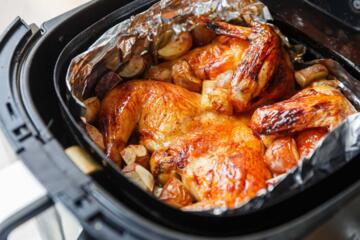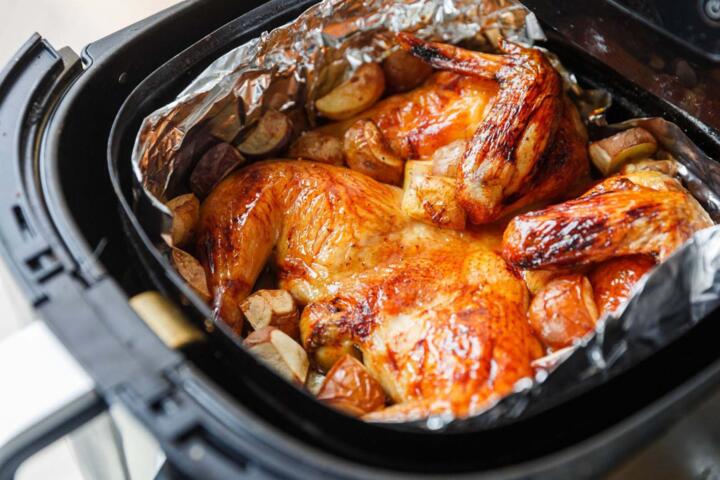
Why Some Air Fryers Stay
Plenty of kitchen gadgets start with excitement and end with dust. Air fryers are no exception. People buy them during sales events, cook frozen fries twice, then shove the machine beside the slow cooker they forgot they owned.
The models that survive daily life usually solve a boring problem well. Dinner gets on the table in 18 minutes instead of 45. Leftover pizza stops tasting like wet cardboard. Chicken wings crisp without covering the stovetop in oil.
That convenience adds up.
Air fryer sales exploded during the pandemic years, but usage stayed surprisingly high afterward. NPD Group data showed more than 60% of owners still used their machines weekly after the first year. That number matters because most small appliances fade fast once the novelty disappears.
People do not keep appliances because of marketing language. They keep them because reheated fries finally taste decent at 11 p.m...
Why Buyers Get Frustrated
The biggest complaint is not cooking performance. It is cleanup. Cheap baskets develop sticky grease coatings after a few months, especially around the vents and corners where crumbs carbonize into black flakes.
Small baskets create another problem. Manufacturers advertise “family size” on machines that barely fit two chicken breasts comfortably. Then users overcrowd the tray, airflow drops, and food steams instead of crisping.
That ruins the whole point.
Noise matters more than people expect, too. Some air fryers sound like bathroom hand dryers. Others blast heat sideways into nearby cabinets or make high-pitched fan noises after 6 months.
Preset buttons also fool buyers. Nobody really needs a “shrimp” button or “bagel mode.” What people actually use are temperature control, a timer, and enough interior space to avoid cooking in batches.
Then there is storage. A bulky 8-quart model looks impressive online but becomes irritating in a small apartment kitchen where counter space already disappeared under coffee makers and cutting boards.
What Actually Works
Choose basket shape first
Ignore wattage at the beginning. Basket shape changes daily usability more than almost anything else.
Square baskets fit more food than round ones even when the quoted capacity looks similar. A 6-quart square basket often handles four salmon fillets comfortably. A round version may squeeze only three without overlap.
Ninja and Cosori figured this out early. Their flatter basket designs made weeknight cooking easier because users stopped rotating food halfway through every cycle.
Less crowding helps airflow.
Buy smaller than you think
Most households do not need giant dual-zone air fryers unless they regularly cook for 5 or more people. A compact 4-to-6 quart machine handles most dinners while heating faster and storing more easily.
Huge models also encourage overbuying. People imagine Thanksgiving-sized cooking sessions they will never actually do. Then the appliance lives permanently on the counter because lifting it into a cabinet feels like moving gym equipment.
Skip the oversized trend. Countertop resentment starts quietly.
Prioritize dishwasher-safe parts
Cleanup determines long-term use more than recipe quality. Machines with dishwasher-safe baskets survive routine cooking far better because nobody wants to scrub baked cheese from wire racks after work.
Instant Vortex models and Philips Premium units generally clean more easily than bargain-store versions with thin nonstick coatings. Some cheaper baskets start peeling after 8 or 9 months, especially if metal utensils scrape the surface.
That gets old quickly.
Use it for reheating first
People think air fryers are mainly for frozen snacks. The real superpower is reheating leftovers.
French fries recover texture in 4 minutes at 375 degrees. Fried chicken regains crunch without turning rubbery. Even croissants come back to life after 2 minutes. Microwaves cannot do that because moisture builds too fast inside enclosed heat.
Start with leftovers before recipes. That habit keeps the machine in rotation.
Ignore most recipe apps
A lot of companion apps feel unfinished and bloated. Users download them once, scroll through glossy photos, then never open them again.
YouTube works better. So do simple cooking charts taped inside a cabinet door. Most proteins cook well once you learn rough timing ranges: salmon around 8 minutes, chicken thighs about 18, vegetables roughly 10 to 14 depending on density.
The learning curve is short.
Spend more on quiet models
Noise fatigue sneaks up on people. A machine running at 68 decibels every evening becomes annoying in small homes.
Philips and Breville air fryers generally operate more quietly than many low-cost competitors. They cost more upfront, often between $180 and $350, but owners tend to keep them longer because the machines feel less aggressive during daily use.
That difference sounds minor until month seven...
Use parchment carefully
Parchment liners reduce mess, but users often block airflow accidentally. Food cooks unevenly when vents get covered entirely.
Perforated liners work better because hot air still circulates underneath. They also reduce greasy residue during high-fat cooking sessions like wings or sausage.
Do not preheat with loose parchment alone inside the basket. The fan can lift it into the heating element. People learn that lesson once.
Keep one cleaning routine
The easiest maintenance habit takes less than 90 seconds. After cooking, wipe the basket while it is still warm instead of waiting until grease hardens overnight.
Baking soda paste removes stubborn buildup without damaging coatings. Harsh scouring pads shorten basket life dramatically, especially on cheaper nonstick interiors.
Consistency beats deep cleaning marathons.
Real Kitchens, Real Use
A Brooklyn couple replaced most weekday oven cooking with a 5.8-quart Cosori after noticing summer electricity bills climbing above $240 monthly. The apartment heated up less during cooking, and weeknight meals became faster because preheating disappeared from the process.
They ended up using the machine 5 or 6 nights per week. Frozen vegetables crisped faster, salmon cooked evenly, and leftovers stopped getting wasted. After one year, the oven mainly handled large batch cooking and holidays.
Another example came from a family of four in Phoenix using a dual-basket Ninja Foodi. The parents initially bought it for frozen snacks during football season. Six months later, they were cooking separate meals simultaneously for two children with different food allergies.
That flexibility mattered.
One side handled gluten-free chicken strips while the other cooked standard foods without cross-contact. They estimated restaurant takeout dropped by nearly $180 per month because quick dinners became easier at home.
Which Features Matter
| Feature | Useful | Skip | Reason |
|---|---|---|---|
| SquareBasket | Yes | No | More surface area |
| DualZone | Maybe | No | Large households |
| PresetButtons | Rarely | Yes | Mostly ignored |
| DishwasherParts | Yes | No | Less cleanup |
Common Buying Mistakes
The first mistake is shopping by social media hype. Viral recipes look great under studio lighting, but daily cooking usually means reheating leftovers and cooking chicken after work while answering texts.
Another mistake is chasing maximum capacity. Bigger appliances consume more storage space, longer preheating time, and sometimes cook less evenly because airflow spreads across larger interiors.
People also forget replacement costs. Some premium models use proprietary trays or filters that cost $35 to $60 each. Check replacement part pricing before buying.
That detail surprises people.
Cheap digital touchscreens fail more often than simple physical dials. A mechanical timer may look less modern, but many survive years longer because fewer components break under heat exposure.
Then there is recipe overload. New owners sometimes try elaborate layered dinners immediately and get frustrated. Start with vegetables, frozen foods, sandwiches, and reheating. Complexity can come later.
FAQ
What size air fryer works for two people?
A 4-to-6 quart model usually handles meals for two comfortably. It cooks faster than oversized units and fits more easily on smaller counters.
Are expensive air fryers actually better?
Sometimes yes. Higher-end models often run quieter, clean more easily, and maintain steadier temperatures. The difference becomes more obvious after several months of frequent use.
Can an air fryer replace an oven?
For many weekday meals, yes. It handles reheating, vegetables, frozen foods, and small proteins very well. Large baking projects still work better in traditional ovens.
How long do air fryers usually last?
Midrange and premium models often last between 3 and 6 years with regular use. Basket coating quality and fan durability matter more than extra preset features.
Do air fryers really save electricity?
Usually they do for smaller meals. Air fryers heat quickly and use less energy than full-size ovens during short cooking sessions, especially in apartments or warm climates.
Author's Insight
I did not fully understand why people became attached to air fryers until I started using one for leftovers instead of recipes. That changed everything. The machine stopped feeling like a novelty appliance and started acting more like a faster second oven.
If I were buying again today, I would focus less on smart features and more on basket design, cleanup, and noise level. The air fryer people keep using is rarely the flashiest one sitting on the shelf.
Summary
The best air fryer is not the biggest, smartest, or most expensive model. It is the one that fits daily habits without becoming annoying to clean, store, or listen to. Square baskets, dishwasher-safe parts, moderate sizing, and reliable reheating performance matter far more than preset cooking buttons.
Buy for Tuesday night dinner, not fantasy cooking sessions. That decision alone usually separates appliances people use weekly from the ones buried behind cereal boxes by spring.