Gap Insurance Basics
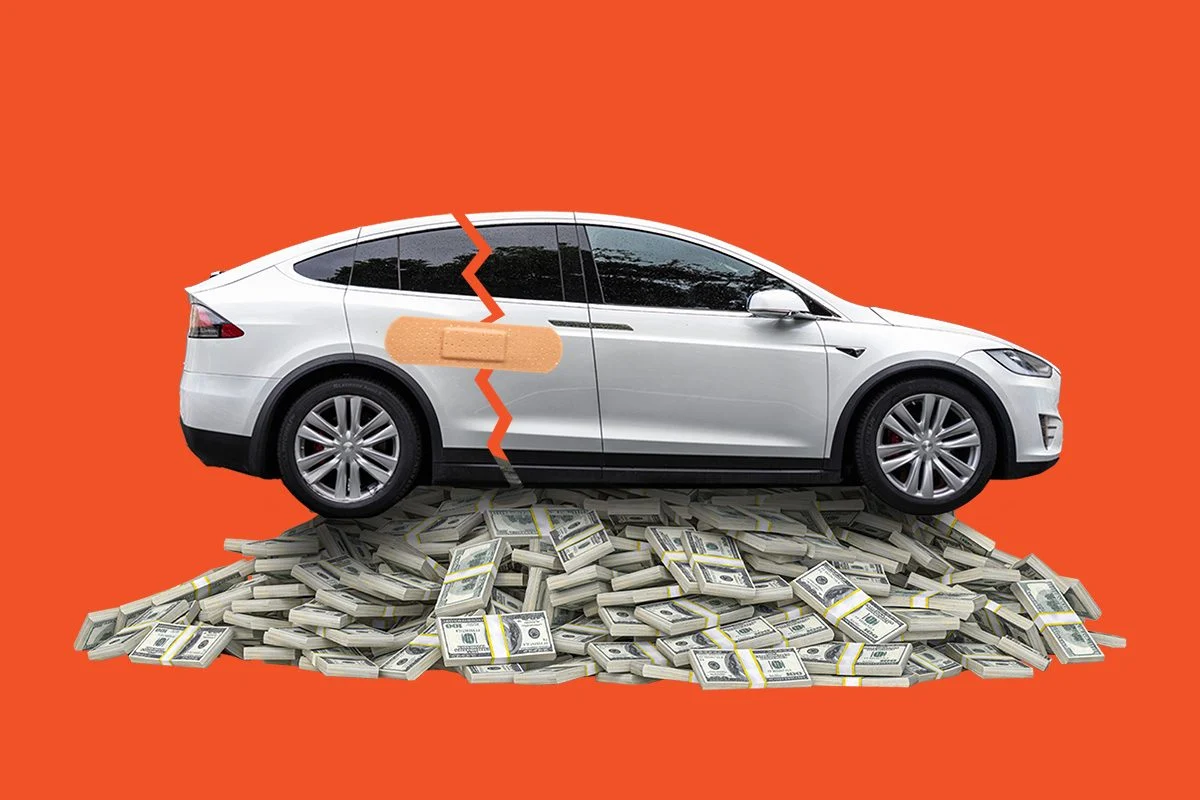
Gap insurance settles the ""gap"" between your car’s market value and what you owe if it’s totaled or stolen. For example, if you owe $20,000 but your insurer pays only $15,000 due to depreciation, gap coverage can pay the remaining $5,000. The average new car loses 20% to 30% of its value in the first year, according to ALG data from 2023. Less equity often means higher risk of out-of-pocket expenses after a wreck.
Not everyone faces the same exposure. Drivers putting 10% or less down or financing over 60 months look at a larger gap window. Meanwhile, fully owned cars or those paid off fast rarely need gap protection.
Gap insurance is usually an addition to standard collision or comprehensive coverage. Dealers, lenders, and insurers offer it differently – sometimes as a packaged add-on with loans, other times separately. You typically pay about $400 to $700 for coverage extending 2–3 years, depending on the vehicle and loan terms.
Key Risks and Misjudgments
Many drivers underestimate depreciation’s speed. Believe it or not, a car can lose 40% value within 18 months, yet loans often stretch beyond that. People assume standard insurance covers everything, missing that payout matches market value – not loan balance.
Another mistake: ignoring loan terms which amplify risks. For instance, a $30,000 loan at 7% APR over 72 months may leave a negative equity scenario early on. Add warranty or add-ons rolled into the loan, and the gap widens.
Not having gap insurance can lead to heavy debt after a write-off. Some lenders demand immediate repayment of the balance not covered by insurance, which surprises many who thought their insurance would suffice.
On the other hand, some overpay for gap insurance on vehicles that quickly become paid off or drop little in value, like high-end used cars with short-term loans. These are scenarios where you waste money on unnecessary coverage.
Steps to Protect Yourself
Choose Financing Wisely
Shorter loan terms reduce gap risk dramatically. A 36-month loan minimizes negative equity exposure compared to 60 or 72 months. The shorter you owe, the faster your equity grows. This approach costs no fees yet slashes risk.
Make a Higher Down Payment
Putting at least 20% down shrinks the initial gap. For a $30,000 car, $6,000 down offsets early depreciation. This translates to fewer months underwater on your loan balance relative to value.
Consider Gap Insurance Early
If your loan exceeds car value by 10% or more at purchase, grab gap coverage. Many states require dealerships to inform buyers about gap insurance, but not all do. Look carefully at your loan documents and ask your insurer or lender upfront.
Use OEM or Third-Party Providers
Manufacturers and reputable insurers like Allstate or Progressive offer gap policies. Shop around for quotes. Some companies bundle gap coverage with full coverage insurance, often at cheaper combined rates—such savings sometimes reach 15% annually.
Regularly Monitor Vehicle Value
Tracking your car’s market value monthly using Kelley Blue Book or Edmunds tools helps you guess when negative equity peaks. This info aids in deciding when gap insurance still pays off versus when it’s safe to drop it.
Refinance When Possible
Refinancing to a lower interest rate or shorter term cuts down overall loan costs and gap duration. It takes some paperwork and fees, but in many cases refi slashes your underwater period by months, saving interest you might be frustrated paying.
Plan for Total Loss Scenarios
Know that standard claims pay market value. Read your insurance policy’s valuation approach. Some states enforce stricter payout rules closer to invoice or trade-in value, which, luck aside, might lessen gap needs slightly.
Track Your Payoff Progress
Confirm payments hit principal, not just interest. Mistakes here extend loan life and worsen your gap. Banking apps or lender portals usually show amortization details for each month.
Drop Gap Insurance Smartly
Cancel gap once your loan roughly matches your car’s approximate retail price. Usually after 2 years, but varies by make and loan. Sticking with it longer wastes money, though some policies do not refund unused premiums.
Scenarios Using Gap Insurance
Case 1: Sarah bought a 2022 Toyota RAV4 for $28,000 with no down payment, financing 72 months at 6.5%. Within 18 months, depreciation dropped the car’s value to $18,500, but Sarah still owed $23,000. She totaled the vehicle in an accident. Standard insurance covered $18,500; gap insurance paid the remaining $4,500. Without gap, Sarah would owe that amount out of pocket.
Case 2: Mike financed a $35,000 used BMW with a $7,000 down payment and a 48-month loan. His vehicle retained value better, dropping to $30,000 in two years while he owed $27,000. His gap insurance premium was about $450. He never made a claim but chose to keep coverage through his loan term for peace of mind, deciding that extra yearly cost was a small price.
Quick Gap Coverage Check
| Factor | High Gap Risk | Low Gap Risk | Notes |
|---|---|---|---|
| Down Payment | 0-10% | 20%+ | Higher down reduces gap |
| Loan Length | 60+ months | 36 months or less | Long loans increase risk |
| Vehicle Type | New or rapid depreciators | Used, slow depreciation | Value drop matters |
| Loan-to-Value | 110%+ | 90-100% | Higher LTV ups risk |
Mistakes to Dodge
Some buyers sign up for gap insurance without reviewing loan conditions or actual financial exposure. Avoid this by calculating your loan versus expected resale value using trusted sites before committing. Insurance agents, and even dealers, sometimes push gap coverage automatically—question it.
Also, few track policy duration. Continuing gap after paying off most loan equals throwing money away – some providers won’t refund premiums. Removing gap coverage mid-loan requires explicit request; many overlook this step.
Another error: assuming standard insurance covers add-ons like extended warranties, aftermarket parts, or negative equity from trade-ins. Gap insurance usually won’t cover such costs. Ask your agent what your policy excludes.
FAQ
What cars benefit most from gap insurance?
New cars financed with small down payments and longer loan durations face the biggest risk. Vehicles that depreciate quickly like luxury SUVs or electric cars also benefit.
Can gap insurance cover lease vehicles?
Yes, but lease-end buyouts often create different gap scenarios. Many lease contracts automatically include gap coverage, but verify with your leasing company.
Does gap insurance cover repairs or just total loss?
Gap insurance only covers total loss or theft situations; it does not pay for repairs after accidents.
When should I cancel gap insurance?
Cancel once your loan balance approximates your car's current market value, usually after 18–24 months depending on loan terms and depreciation rates.
Is buying gap insurance from dealers better than insurers?
Dealer gap insurance often costs more with less flexibility. Independent insurers or bundled coverage with your car insurance generally offer better rates.
What to Remember
In my experience financing dozens of vehicles over the past decade, gap insurance has paid itself off exactly twice. Both times, borrowers with minimal down payments faced a steep payment after total loss without it. Yet, I’ve also observed clients wasting hundreds on policies they never used for cars paid off quickly. The key is matching coverage to your loan and resale risks, not buying blindly.
Summary
Gap insurance makes sense when your loan balance outpaces vehicle value by a clear margin. Start by examining down payment and loan duration. Shop around, monitor vehicle depreciation, and cancel gap coverage as soon as it’s no longer financially prudent. The goal is to protect against unexpected debts, not to pay an extra insurance premium indefinitely. A clear-eyed approach ensures your car financing stays manageable even if luck runs out.