The Message Looks Real
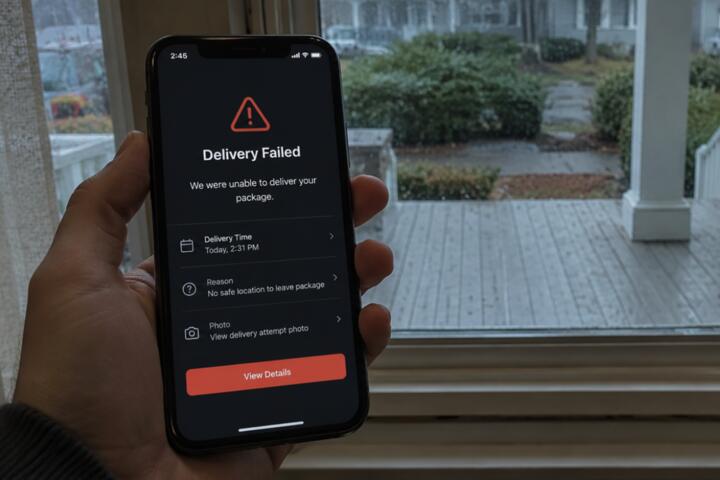
The scam usually starts with a text message that arrives at exactly the right moment. “Your package couldn’t be delivered.” “Address confirmation needed.” “Delivery suspended due to unpaid fee.” The wording changes a little, but the structure rarely does.
That timing matters. Americans now receive billions of packages every year through USPS, UPS, FedEx, Amazon Logistics, DHL, and regional carriers. During the 2024 holiday season, UPS alone handled more than 22 million packages on peak days. Most people are expecting something at any given time.
The scammers know this.
A fake delivery text creates urgency without sounding dramatic. There is no prince from overseas. No fake lottery winnings. Just a missing package and a link asking you to “confirm details.” That ordinary tone lowers suspicion fast.
Some messages copy official branding almost perfectly. Others contain awkward grammar or strange URLs, but enough people click anyway because they are distracted, tired, commuting, standing in line for coffee...
Why The Scam Works
People assume scams succeed because victims are careless. Usually the opposite is true. The delivery scam works because it blends into normal life.
Someone orders running shoes from Nike. Another person is waiting for prescription medication. A parent expects school supplies. Then the message arrives 14 hours later saying the package could not be delivered due to an “address issue.” The brain connects the dots automatically.
Small interruptions lower defenses.
The scam also exploits mobile phone habits. Most people read texts quickly and react before thinking deeply. Security researchers at Proofpoint found that smishing attacks — SMS phishing scams — increased sharply after 2020 as consumers shifted more shopping and banking activity onto phones.
The fake websites add another layer. Some clone USPS or FedEx pages with alarming accuracy. Logos match. Fonts match. Tracking layouts look convincing. A victim enters a home address, phone number, and debit card information to pay a fake “redelivery fee” of $1.99 or $3.50.
Then the real theft begins.
Sometimes the card gets charged repeatedly over several days. Other times criminals sell the data immediately or use it for identity fraud. In more aggressive versions, clicking the link installs malware or pushes users toward fake banking login screens.
How Criminals Run It
Mass texting does the heavy lifting
Scammers do not target one person at a time. They blast tens of thousands of numbers using automated SMS platforms. Even a tiny response rate works financially.
If 50,000 texts produce 400 clicks and 30 victims who surrender payment details, the campaign can still generate thousands of dollars. The costs stay low because bulk messaging tools are cheap and disposable.
Volume beats precision here.
Fake domains mimic carriers
The web addresses often contain subtle tricks. Instead of usps.com, the scam might use usps-track-help.com or fedexdelivery-reset.net. Some include random strings of letters that people barely notice on phone screens.
Security firms regularly track domains registered only days before attacks begin. Many disappear within 48 hours once providers flag them. Then new ones appear immediately.
The cycle barely pauses.
Tiny fees trigger trust
Most scams ask for small amounts first. A $2 redelivery fee feels believable. A request for $700 would not.
Victims enter card details because the payment seems routine. That small transaction acts like a test. Once the criminals know the card works, larger unauthorized charges may follow.
Several banks reported spikes in this pattern throughout 2023 and 2024, especially around shopping holidays.
Personal data becomes currency
Even when victims stop before paying, scammers still collect names, addresses, emails, and phone numbers through fake forms. That data gets reused later for account takeovers, phishing emails, or fraud attempts tied to banking apps.
One stolen address may seem harmless. Combined with birth dates, passwords from unrelated breaches, and leaked phone numbers, it becomes much more dangerous.
Data piles up quietly.
Fake support agents close the trap
Some operations escalate after the initial text. Victims receive calls from fake customer support workers pretending to help solve the “delivery issue.” The caller asks for verification codes or banking confirmation details.
The scam shifts from automated to personal at that stage. That transition convinces many people the situation must be legitimate.
Real carriers almost never work this way.
Holiday volume hides the fraud
November and December create ideal conditions because people lose track of shipments. One household may receive 12 to 20 packages in a single month.
Scammers increase activity during Black Friday, Cyber Monday, and post-holiday return periods. The noise helps fake messages blend into genuine shipping updates from Amazon, Walmart, Target, and Etsy sellers.
Confusion does the rest.
Older phones face bigger risks
Outdated devices often lack newer spam protections or browser warnings. Android phones without recent security patches are more vulnerable to malicious redirects and malware downloads tied to scam links.
Apple and Google both expanded scam detection features during the last few years, but protections vary widely depending on carrier settings and operating system versions.
Updates matter more now.
What Victims Experienced
One widely reported case involved a Florida resident who received a fake USPS text while waiting for Christmas gifts in December 2024. The message requested a $3.00 redelivery fee. After entering debit card information, the victim noticed more than $900 in fraudulent transactions over the next 72 hours.
Another case surfaced in the United Kingdom through Action Fraud reports tied to fake Royal Mail delivery texts. Victims described websites that looked nearly identical to official carrier pages, complete with tracking numbers and customer service prompts. Some users entered enough personal information for criminals to attempt identity verification requests with banks.
The scam scales globally.
Cybersecurity company Zimperium tracked massive growth in mobile phishing campaigns tied to package delivery themes during high-shopping periods. Researchers found that delivery scams consistently ranked among the most-clicked SMS fraud categories because they matched ordinary consumer behavior so closely.
Spot The Red Flags
| Signal | Legit | Scam | Risk |
|---|---|---|---|
| Tracking | Order app | Random link | Data theft |
| Fee | Known charge | Tiny payment | Card fraud |
| Domain | Official site | Extra words | Phishing |
| Urgency | Moderate | Immediate | Panic click |
Common Mistakes People Make
The biggest mistake is clicking first and verifying later. Real package issues can almost always be checked directly through retailer apps or official carrier websites.
Another mistake is assuming a text must be genuine because it contains partial personal information. Scammers often already know your name, city, or phone number from previous data leaks.
Do not trust familiarity.
People also ignore tiny warning signs on mobile browsers. Misspelled domains, unusual punctuation, or strange payment pages look easier to spot on desktops than on phones. Small screens hide details.
Many victims fail to act quickly after realizing the mistake. If you entered payment information, contact the bank immediately, freeze the card, and monitor transactions for several weeks. Some fraudulent charges appear days later.
Password reuse creates another disaster. If the same login appears across shopping sites, banking apps, and email accounts, one compromised password can trigger multiple account takeovers.
That part gets messy fast.
FAQ
How do I know if a package text is fake?
Check the tracking number through the retailer or carrier directly instead of tapping the text link. Scam messages often use suspicious domains, urgent wording, or requests for small payments.
Can scammers steal money with only my phone number?
Not usually by itself. But phone numbers combined with names, addresses, and payment details become much more dangerous for phishing and identity fraud attempts.
What should I do after clicking a scam link?
Stop entering information immediately. If payment data was submitted, contact the bank, freeze the card, and monitor accounts closely. Run security scans if anything downloaded onto the device.
Do USPS or FedEx send text alerts?
Yes, but usually only after customers opt in through official accounts or shipment tracking services. Legitimate carriers rarely demand immediate payment through random links.
Why are delivery scams getting more common?
Online shopping volume keeps growing, and mobile users react quickly to text notifications. Criminals follow behavior patterns that already exist instead of inventing completely new stories.
Author's Insight
I have watched phishing scams evolve from loud, obvious fraud into something quieter and more believable. The package scam stands out because it targets routine behavior instead of greed or fear. Almost everybody shops online now. Almost everybody tracks deliveries.
The safest habit is surprisingly simple: never use the link inside the message. Open the retailer app yourself, check the tracking manually, and slow down for 15 seconds before reacting. Most scams collapse under even a small pause...
Summary
The “your package couldn’t be delivered” scam succeeds because it feels ordinary. Criminals send massive waves of fake delivery alerts, clone trusted carrier websites, and use tiny payment requests to collect card details and personal information.
Consumers who verify tracking through official apps, avoid text-message links, update devices regularly, and monitor bank activity closely reduce the odds of getting trapped. A delayed package is annoying. Identity fraud lasts much longer.