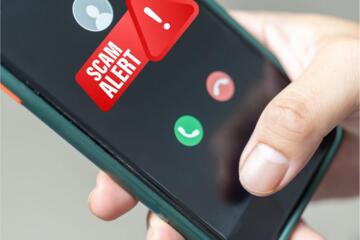
The Gift Card Trap
Gift cards look harmless. A plastic rectangle worth $50 or $200 feels like a safe way to pay for gifts, subscriptions, or store credit. Scammers rely on that perception.
In 2023, the U.S. Federal Trade Commission logged over 50,000 reports of gift card fraud, with losses exceeding $250 million. Most victims never recover the money because the codes are spent within minutes.
Stop treating gift cards like payment tools. They are not built for that. Scammers know it.
The trick works because gift cards behave like cash once activated. There is no chargeback, no refund path, and no bank dispute window. Once the code is gone, it is gone.
Short message. Big loss.
And the requests almost always come with urgency baked in. “Pay immediately.” “Do not tell anyone.” “Buy Apple cards now.” The wording stays strangely consistent across thousands of cases.
How Scams Work
Most gift card scams follow a predictable chain. The scammer impersonates authority, creates urgency, then pushes the victim toward a store checkout.
It often starts with email or text messages that look like a manager, HR department, or utility provider. The message asks for quick action. Sometimes it escalates to phone calls where the voice sounds calm but insistent.
Pause breaks the script.
The victim is then told to buy specific cards like Apple Gift Cards, Google Play cards, or Amazon gift cards. The brand choice is not random. These cards are widely available at supermarkets, gas stations, and kiosks.
After purchase, the scammer asks for the code on the back. That is the moment the money disappears.
Some scams involve remote access tools like AnyDesk or screen-sharing apps. Once installed, scammers guide victims through checkout step-by-step. It feels procedural, almost like customer support.
It is not support.
How To Stay Safe
Question urgency instantly
Urgency is the first signal. Legitimate institutions rarely demand immediate gift card payments. Scammers rely on speed to override judgment.
If a message pushes you to act within minutes, slow it down. Call the organization directly using an official number, not the one in the message.
Short delay breaks control.
Verify the sender directly
Do not trust display names or caller ID. Both are easy to fake. Instead, use a known contact method from a company website or past billing statement.
If your “boss” asks for gift cards, verify through a separate channel like Slack or a direct phone call.
Stop replying to the thread. Start a new channel.
Never share card codes
The redemption code is the only thing scammers want. Once shared, the value is drained instantly, often across multiple accounts or resale networks.
No legitimate company asks for gift card codes as payment. Not IRS, not tech support, not utilities.
That rule holds without exception.
Pause payment decisions
Build friction into the process. Step away for 10 minutes before buying any gift card under pressure. That gap disrupts manipulation patterns.
Most scams collapse when victims delay action. The script depends on immediate compliance.
Time exposes fraud.
Use payment protections
Credit cards and regulated banking apps offer dispute mechanisms. Gift cards do not. If you are asked to pay for anything unusual, switch payment method immediately.
Some banks like Chase, Barclays, and Revolut include scam alerts or transaction flags for suspicious merchant categories. These systems are not perfect, but they add friction.
More friction helps.
Report immediately
If you realize a scam is in progress, contact the gift card issuer right away. Companies like Apple, Target, and Google may be able to freeze unused balances if action is fast enough.
You should also report the incident to the FTC and your local cybercrime unit. Reporting does not guarantee recovery, but it helps block repeat activity tied to the same accounts.
Speed matters here too.
Real Scam Patterns
A common case involves “CEO fraud.” An employee receives an email that looks like it came from an executive asking for $500 in Apple gift cards for a client reward. The tone is casual, slightly rushed, and oddly familiar.
Another version targets older adults with fake tech support calls. The caller claims a virus was detected and instructs the victim to buy gift cards to “unlock” the computer. The victim reads the codes aloud while the scammer records them.
One call ends everything.
In 2022, the FTC highlighted cases where individuals lost between $1,000 and $5,000 in a single interaction. Some victims bought cards across multiple stores within an hour, guided by continuous phone contact.
There is also the “utility shutdown” scam. Victims receive warnings of electricity disconnection unless payment is made via gift cards. The pressure increases in 15-minute intervals, creating panic loops.
Each variation uses the same structure. Authority. Urgency. Payment shift. Code extraction.
Risk Checklist
| Signal | Meaning | Action | Risk |
|---|---|---|---|
| Urgency | Act now demand | Pause call | High |
| Gift request | Payment shift | Refuse | Very High |
| Unknown caller | Impersonation | Verify source | High |
| Code request | Cash extraction | Never share | Critical |
Common Mistakes
People often assume scams only happen to “careless” users. That belief is wrong. The scripts are designed to bypass caution.
One mistake is trusting familiarity. Seeing a familiar logo or email format creates false confidence. Scammers reuse branding assets that look convincing on a phone screen.
Another mistake is staying on the same call. Once the scam starts, the caller controls pacing. Hanging up breaks the structure immediately.
Do not explain. Just leave.
Some victims also assume partial verification is enough. A scammer may know a name, job title, or address. That data is often scraped from public sources or leaked databases.
Basic information is not proof.
Finally, people delay reporting because they feel embarrassed. That delay helps scammers repeat the same pattern with new targets.
FAQ
Why do scammers prefer gift cards?
Gift cards convert instantly into usable funds and are nearly impossible to reverse. Once the code is redeemed, recovery chances drop close to zero.
Can you recover stolen gift card money?
Sometimes, but only if the card has not been used yet. Issuers may freeze balances if contacted quickly, but success rates are low once codes are redeemed.
Are tech support gift card scams still common?
Yes. They remain one of the most reported scam types, especially targeting older adults through phone calls and pop-up alerts.
What should I do if I already sent a code?
Contact the card issuer immediately, then file a report with the FTC. Acting within minutes increases the chance of blocking remaining funds.
How can businesses prevent internal gift card scams?
Companies should set internal policies banning gift card payments, verify financial requests through secondary channels, and train employees to recognize impersonation attempts.
Author's Insight
I have seen gift card scams evolve from simple email tricks into coordinated, multi-channel operations that blend phone calls, text messages, and remote access tools. The consistency is what stands out most. The format barely changes because it still works.
If I had to reduce the defense strategy to one habit, it would be this: any request involving urgency plus gift cards should trigger a hard stop and a second channel check. No exceptions...
Summary
Gift card scams succeed because they exploit urgency and trust in familiar brands. The losses are permanent once codes are shared, and recovery is rare. Recognizing the pattern, slowing down decisions, and verifying requests through independent channels can stop most attempts before money leaves your hands.
Treat gift cards as store credit, not currency. If someone asks for them as payment, the safest response is simple: refuse and verify.