Everyday spending options
People use credit cards for most of their daily expenses—from groceries and coffee shops to gas stations and online subscriptions. As of 2023, Americans made more than 100 billion credit card transactions annually. Yet many seek alternatives for tighter budget control, fewer fees, or to avoid debt traps.
Examples include someone who wants to curb impulse spending or avoid interest charges rising unexpectedly. Others prefer options that reflect actual balances, without credit risk or complex reward programs.
Not everyone enjoys the hassle of tracking multiple cards. Cash once reigned supreme, but today’s technology offers several practical replacements. Each alternative carries trade-offs in convenience, cost, and credit impact.
Problems with credit cards
Credit cards can lead to overspending. They disconnect money spent from money earned, which clouds judgment on affordability. Consumers might indulge buying trips based on available credit, unaware of month-end bills.
Interest rates commonly hover around 15% to 25% APR if balances aren’t paid. The average American credit card debt reached roughly $6,450 in 2023. Late fees, penalty rates, and potential credit score damage add layers of stress.
Fraud issues also surface, albeit with some protections in place. Still, unauthorized users can create headaches requiring time-consuming resolution. Some users dislike the complexity of reward schemes and the targeted marketing tactics that come with cards.
Then there’s the psychological toll: anxiety about rising balances, unexpected bills, or simply the feeling cards encourage more spending than intended.
Alternative payment solutions
Debit cards
Debit cards draw directly from checking accounts, preventing debt accumulation. Transactions typically settle immediately, which means users spend only what they have. This helps avoid interest and fees common with credit cards.
Most banks offer debit cards with minimal to no fees for routine purchases. For example, Chase debit cards connect to accounts monitored by the Chase Mobile app (version 9.7.1), making daily tracking simple.
It looks like a credit card but without borrowing risk. However, debit cards don’t usually carry the same fraud protection, so vigilance remains important.
Prepaid cards
Prepaid cards must be loaded with funds upfront, limiting spending to that balance. Users can reload as needed, avoiding credit or bank account overdrafts.
They’re popular with teens or individuals without bank accounts, like Green Dot or NetSpend. Fees often exist for ATM withdrawals or reloading, but many cards provide zero-cost purchase rewards. Using a prepaid card means no interest and less credit exposure.
Mobile wallets and digital payments
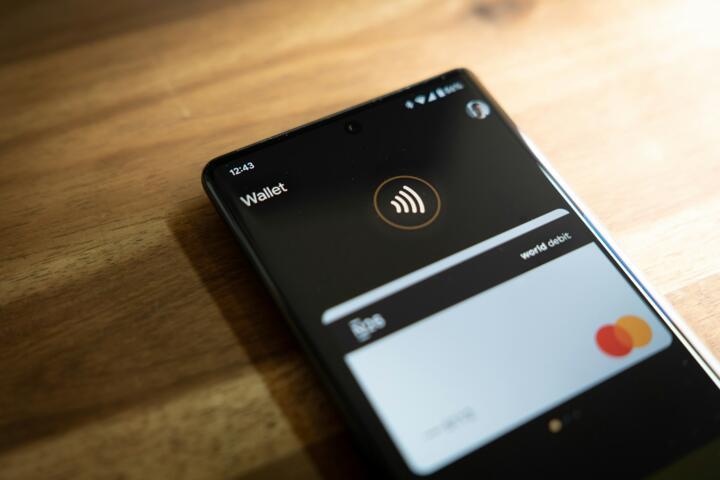
Services like Apple Pay, Google Wallet, and Samsung Pay allow spending with your phone directly—linked to either debit cards, bank accounts, or select prepaid setups. These wallets offer enhanced tokenized security layers.
Google Pay reported over 150 million active users globally as of early 2024, showing how widely adopted digital wallets have become. They simplify checkout but require initial linked funding sources.
Cash
Cash remains the purest form of budgeting control. Spending physical money forces consumers to count every dollar visibly, supporting strict limits on discretionary purchases.
While less convenient than cards or mobile payments, many find carrying a weekly cash stash helps cut down on overspending. Though fewer stores accept cash for some transactions now, small businesses typically do.
Bank transfer apps
Apps like Venmo, Zelle, or Cash App allow peer-to-peer payments tied to bank accounts or debit cards. They provide speed and ease for small everyday expenses without using card networks.
Venmo processed $230 billion in payment volume in 2023, underscoring its role. Users pay friends for coffee, split bills, or local market items quickly without credit cards.
Buy now, pay later (BNPL)
BNPL services like Afterpay and Klarna break purchases into installments without interest if paid on time. They differ from credit cards by restricting spending amounts and offering clearer repayment schedules.
However, users risk late fees and credit harm if schedules aren’t followed. Many use BNPL cautiously for one-off larger purchases rather than everyday small spending.
Closed-loop store cards
Retailer cards (e.g., Amazon, Walmart) tie to spending within their ecosystem only. These cards often provide perks but limit broader use.
These can feel safer for budgeting but might cause higher impulse buys due to targeted promotions within the store environment.
Cash-back debit cards
Some banks offer cashback debit cards that return 1-2% on purchases. Though rare, these combine budgeting control with small rewards previously exclusive to credit cards.
Citi’s Double Cash debit pilot in 2023 showed interesting results, enticing users to ditch credit cards for modest & real-time rewards.
Practical money stories
A freelance graphic designer in Chicago found herself trapped in revolving credit card debt. She switched strictly to a prepaid card with a $500 monthly load. Within 6 months, she cut expenses by 17%, reporting less stress around payments.
A small coffee shop in Portland stopped accepting credit cards to avoid 3% processing fees. Instead, they offered cash discounts and digital payment options. Sales held steady with a small increase in tips, according to their 2023 data.
Alternatives at a glance
| Method | Cost | Risk | Convenience |
|---|---|---|---|
| Debit Card | Low/None | Moderate fraud | High |
| Prepaid Card | Moderate fees | Low debt risk | Medium |
| Mobile Wallet | None | Linked risk | High |
| Cash | None | Theft risk | Low |
| Buy Now Pay Later | None/fees | Late fees | Medium |
Common pitfalls
Users often overload prepaid cards with more funds than needed, defeating the control purpose. Plan monthly budgets strictly—load only what matches expected spending.
Relying on digital wallets linked directly to credit cards can recreate the same risks users try to avoid. Link debit or prepaid instead.
Many fall into the trap of skipping transaction monitoring on debit cards, which, frankly, is a weak link when fraud appears, as banks usually provide weaker recourse compared to credit fraud protection.
Ignoring fees on prepaid cards or BNPL late penalties accumulates unnoticed. Track all associated costs monthly.
Cash users forget to reconcile physical cash flows, leading to overspending or confusion. Keep receipts briefly.
FAQ
Is using debit safer than credit?
Debit limits spending to available funds, so no debt risk. However, credit cards generally provide stronger fraud protection and dispute rights.
Can prepaid cards damage credit?
Prepaid cards don’t affect credit because they don’t involve borrowing or credit reports.
Do buy now, pay later plans hurt credit scores?
On-time payments usually don’t report to credit bureaus. Missed payments might result in collections and impact credit.
Are rewards better on credit or debit cards?
Credit cards generally offer higher rewards. Debit rewards exist but tend to be minimal or available only via select programs.
What is the safest option for daily spending?
From a spending control view, prepaid cards and cash are safest. For security, credit cards or mobile wallets with tokenization work best.
Author's Insight
I shifted most daily spending to a debit card linked to a zero-fee checking account while keeping a prepaid card for small in-person purchases. This cut impulse buys by about 20%. A frustrating detail: nearly every bank app's transaction category feature, including mine's 2024 update, misclassifies some expenses, so manual checks remain necessary. Still, balancing cards and cash keeps money management clearer than relying on credit alone.
Summary
Credit cards offer convenience but can lead to overspending and debt. Alternatives like debit cards, prepaid cards, digital wallets, and cash tailor spending controls to personal preferences. Choosing the right mix requires attention to fees, fraud risks, and how each tool fits your lifestyle. Monitor activity regularly, limit funding sizes, and adopt methods that reduce stress around money. Avoid piling on services—spend smarter, not harder.