Affordable Home Security
Installing a full home security system often demands upfront costs from $300 to $1,500, plus monthly monitoring fees that can reach $50. Such prices discourage many from pursuing professional setups, although home safety remains a top concern. Basic measures like smart doorbells or motion sensors priced under $100 gain popularity as alternatives. These offer partial monitoring without contracts, providing convenience and budget friendliness.
For example, the Ring Video Doorbell, which debuted in 2016, provides motion detection with HD video at a fraction of typical alarm systems cost. Simpler gadgets, including window alarms and wireless sensors, ensure some defense for as low as $20–40 per device. These deliver alerts directly to your phone; a small deterrent to opportunistic burglars.
Common Missteps in Security
People often assume a professional system guarantees protection, ignoring weaknesses in usage or device placement. Many still leave doors unlocked or usable windows closed only partially. Relying on infrequent monitoring or assuming neighbors will notice suspicious activity can leave gaps exploitable by intruders. Alarm fatigue—where false alarms cause neglect—also undermines effectiveness.
Over-investing in brand names without calibration wastes budget, while overlooking simpler deterrents means criminals find ways in. The real risk lies less in technology failure and more in overlooking human factors. These misjudgments lead to thefts that might have been avoided for under $100.
Practical Steps & Tips
DIY Smart Doorbells
Use affordable devices like Ring or Eufy, which cost between $70 and $200. They deliver live video feeds with motion detection and cloud storage without monthly fees if you opt for local storage. These let you screen visitors, log activity, and get alerts remotely.
Wireless Window Sensors
Stick-on sensors from brands like SimpliSafe or Honeywell cost $20 to $40 each. Installed on windows, they trigger alarms upon opening or vibration. These sensors are battery-powered and pair with your smartphone app, creating instant alerts without complex wiring.
Security Cameras
Outdoor security cameras starting at $50 offer night vision and two-way audio. The Wyze Cam v3 (version 4.13 firmware) provides a solid balance of affordability and features including weather resistance and encrypted footage. Cameras act as visual deterrents and help identify intruders post-incident, far cheaper than monitored systems.
Motion-Activated Lights
Install LED motion lights with sensors around entrances for under $40. They expose potential intruders by forcing shadows and movement into obvious view. Research shows motion lighting reduces burglary risks up to 30 percent by increasing detection probability.
Neighborhood Watch
Joining or starting a local neighborhood watch costs nothing but time. Regular meetings and shared alerts amplify community awareness and surveillance. This social method discourages crime by increasing the chance offenders face eyewitnesses.
Security Signs & Decals
Place fake security signs in visible locations. A $5 deterrent won’t stop a determined burglar but often causes hesitation. The illusion of protection deters up to half of all attempted entries according to some police reports.
Use Smart Locks
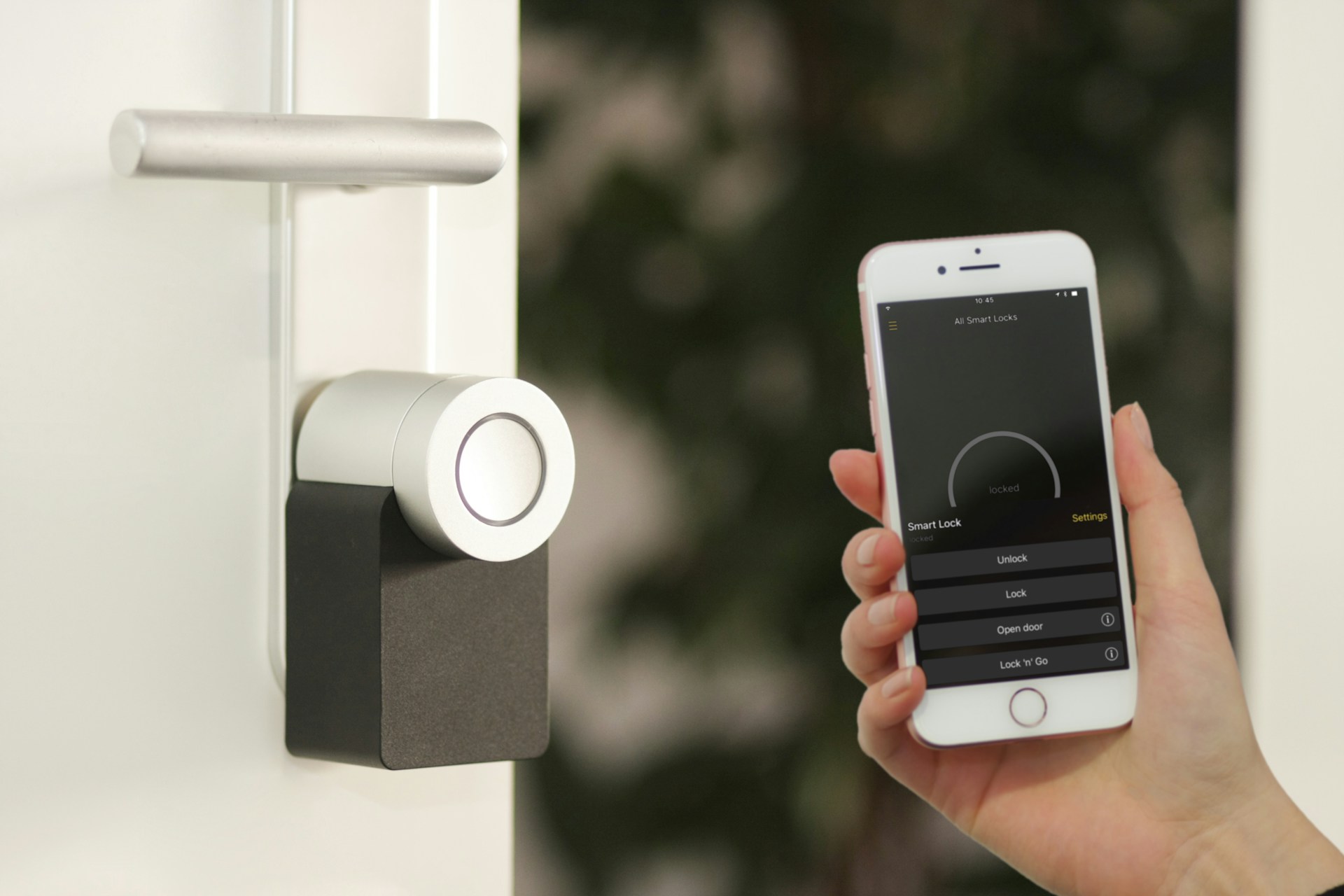
Replace standard locks with smart equivalents (~$100–$250). These offer remote locking/unlocking, temporary codes for visitors, and alert notifications. They reduce risks from lost keys or hidden lockboxes used by intruders.
Routine Checks
Periodic inspections spotting vulnerabilities—damaged fences, weak locks—can prevent break-ins. A quick walk outside weekly costs zero but uncovers soft spots like overgrown bushes or broken lights, making your home less invisible.
Non-Subscription Alarm Kits
Kits like the Abode Essentials start at $200 for basic sensors and alarms without mandatory fees. They rely on your Wi-Fi and phone notifications for alerts, cutting monitoring costs. They often integrate easily with smart home ecosystems too.
Stories of Results
A family in Ohio faced repeated porch package thefts. They installed a $100 Ring Video Doorbell and placed a $10 security sign. Within 3 months, incidents dropped to zero. Video footage helped police identify neighbors' teens involved.
In Texas, a small business skipped a professional security system paying $40 monthly. Instead, they fitted wireless window sensors ($25 each) and motion lights ($35 each). Over six months, a potential break-in was thwarted after sensor alerts woke employees and frightened off intruders. Total outlay was under $200.
Comparing Low-Cost Security
| Method | Cost | Maintenance | Effectiveness |
|---|---|---|---|
| Smart Doorbell | $70–$200 | Battery changes | High for entry points |
| Window Sensors | $20–$40 each | Battery swap yearly | Moderate, covers entry |
| Motion Lights | $30–$50 | Rare bulb replacement | Good deterrent |
| Neighborhood Watch | Free | Regular meetings | Variable |
| Security Signs | $5–$10 | Replace if faded | Low but some effect |
Avoiding Pitfalls
Ignore no locks after setting up gadgets. Most fails happen with open doors or windows—twice I’ve seen neighbors miss this. Don’t over-rely on one device. A dead battery in one sensor can halt alerts without backup. Test all components regularly, even monthly. False alarms frustrate families but offer clues why a system fails.
Don’t buy the cheapest device without reviews. In 2022, I tried a motion sensor that went offline after two weeks, likely due to software quirks. Stick to established brands with active support. Avoid mixing incompatible units. Otherwise, alerts get lost.
FAQ
Can smart doorbells work without subscriptions?
Yes. Many allow local storage or live alerts for free. Subscriptions add cloud storage and advanced features but are optional for basic security.
Is a neighborhood watch effective?
It depends on participation. Active groups reduce crime by reporting suspicious acts and offering visible presence, but inactive groups have little impact.
How often do battery devices need maintenance?
Typically once a year, though camera batteries might drain faster with heavy use. Check at least twice yearly to avoid downtime.
Are fake security signs legal?
Yes, placing them on your property is legal and common practice. They simply serve as deterrents with no false claims involved.
Do motion-activated lights prevent burglaries?
They reduce risk by illuminating dark areas and startling intruders. Studies show a drop in break-ins in illuminated homes compared to dark ones.
Author's Insight
Having installed various affordable security solutions myself, I favor mixing smart doorbells with motion lights—cheap, reliable, effective. Testing devices before purchase saves wasted time and money. Neighborhood watches add an overlooked layer of protection. The cheapest setups do not mean no security; they just require more hands-on involvement. Consistency beats complexity.
Summary
Home security does not require big expenses or contracts. Choose devices that target your entry points and combine modest investment with proactive upkeep. Use neighbors and simple deterrents to discourage intruders. Check your setup quarterly and adapt where needed. Balance cost with coverage to keep your home visibly defended without overspending.