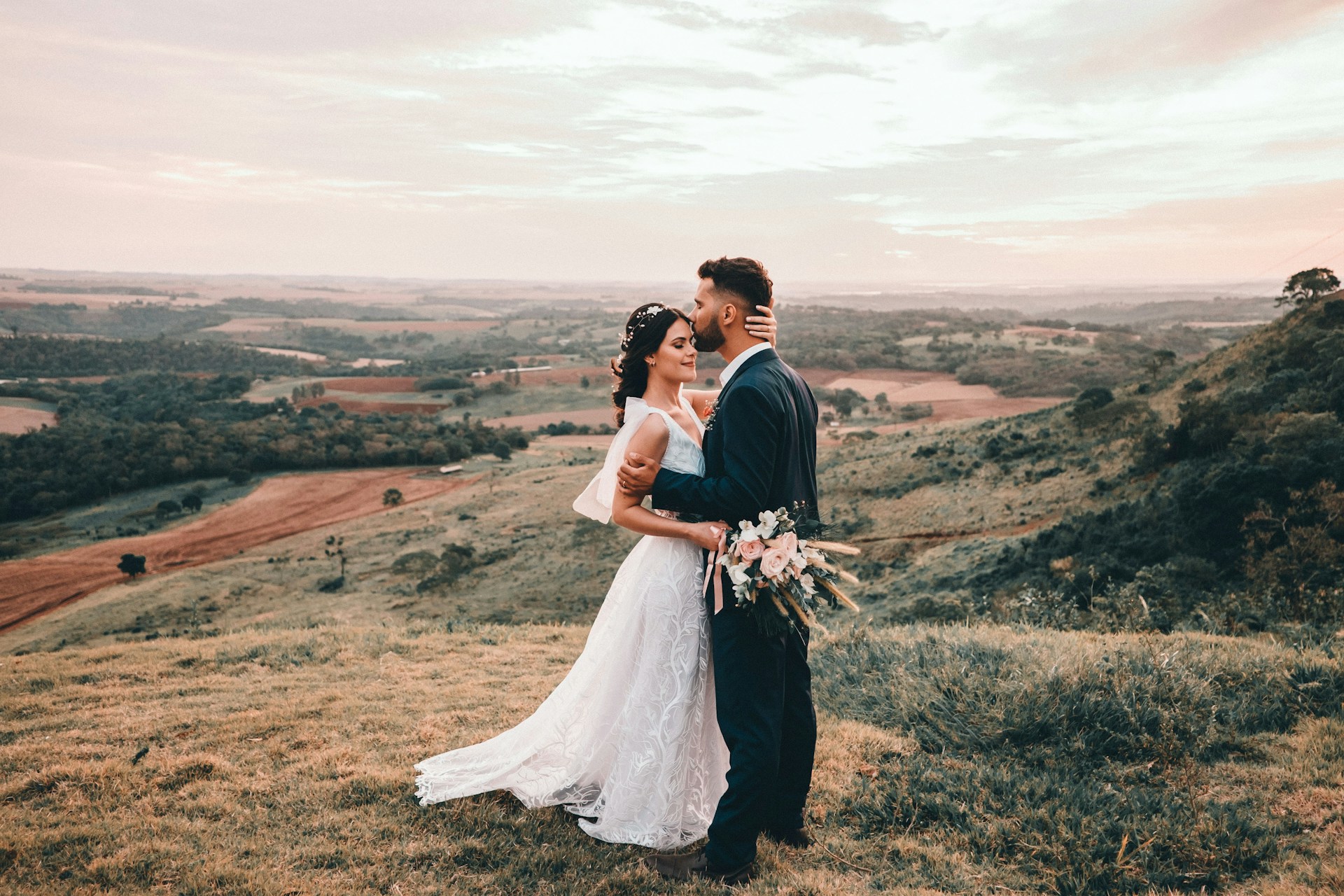
Learning Wedding Costs
Weddings have grown increasingly costly; the average U.S. wedding in 2023 cost roughly $33,000 according to The Knot’s annual report. Many couples feel pressured to spend that much or more, but expensive doesn’t always mean better. For example, a wedding at a local park with catered food from a nearby deli can feel just as special as an upscale venue. Knowing where money goes—venues, catering, attire—helps spot easy cuts without losing the spirit of celebration.
Ceremonies in public spaces saved couples $5,000 to $10,000 on average in 2022 — a fact less advertised.
Common Budget Pitfalls
Couples often underestimate hidden costs like vendor gratuities, transportation, or last-minute décor tweaks. An inflated guest list tends to balloon expenses even further. Overspending early on depletes budgets for quality photos or food. Pressure to stick with traditional norms leads to expensive spending with little added value. Guests left uncomfortable with cramped spaces or rushed schedules illustrate consequences of poor planning better than go-to clichés.
The stress of overspending also diminishes enjoyment.
Options and Techniques
Intimate Gatherings
Cutting guest lists to under 50 guests shrinks venue and catering expenses sharply. An intimate setting encourages meaningful interactions and better experience overall. Couples can reserve small local halls or rent a nice Airbnb for celebration. Tool: websites like Peerspace offer spaces from $100 per hour. Outcome: spend less and gain relaxed atmosphere.
Weekday or Off-Season Dates
Date choice impacts price. Venues and services lower fees by 10-40% on weekdays or during fall/winter months. For example, Tuesday weddings at a local farmstead cut venue charges in half. Vendors also appreciate less busy calendars which sometimes grants better service.
Digital Invitations
Digital invites eliminate printing and postage fees. Platforms like Paperless Post or Greenvelope range from free to about $50 total with tracking. Result: instant RSVP management and ecological gain. You also avoid messy last-minute errors common in paper orders.
DIY Decorations
Handmade décor saves thousands. Supplies from Dollar Tree or Michaels cost less than custom florist arrangements. Make simple centerpieces with jars, candles, and seasonal flowers to bring a personalized touch. DIY also stretches small budgets while making the event one-of-a-kind.
Home-Cooked or Food Truck Options
Catering often dominates wedding budgets, up to 40%. Serving family-style meals or hiring a food truck reduces cost on portion control and service. Food trucks charge between $12 and $20 per head, cheaper than many caterers who can be $50 or more. The relaxed vibe suits informal celebrations and gives guests variety.
Second-Hand or Rental Attire
Wedding dresses can cost $1,500 or more, with tux rentals around $200. Buying from resale sites like Stillwhite or renting from brands like Rent the Runway cuts expense drastically. It also helps reduce fashion waste linked to one-time-use gowns.
Combining Services
Hiring one vendor to handle multiple tasks—a photographer who also films video, or a DJ doubling as emcee—can cut costs by 20-30%. One couple saved $2,350 on services by booking combined packages.
Minimalist Entertainment
Instead of a live band, use curated playlists on quality speakers. Bluetooth speakers can be rented for $100 a day. This avoids costly sound systems and hourly live performances fees.
Plan with a Spreadsheet
Tracking every expense in detail avoids budget blowout. Tools like Google Sheets customized with costs, payments, and deadlines worked best in my experience. Staying on top means fewer surprise bills.
Real Success Stories
A couple in Ohio swapped a ballroom for a scenic state park, chosen through AllTrails, hosting just 30 guests. They saved $15,000 on venue and catered with a local deli offering platters under $10 per person. They used a borrowed sound system and digital invites, ending with a total cost about $5,500.
Another example from California: a midsize wedding with 60 guests occurred on a Thursday and off-season. They bought a second-hand gown for $350 and rented a venue via Peerspace at $800. Food trucks brought gourmet street food costing $15 per guest, and they rented décor items online through an event exchange platform. Total expenditure hovered near $12,000.
Wedding Savings Checklist
| Category | Option | Cost Range | Benefit |
|---|---|---|---|
| Venue | Park or Local Rental | $300–$1,200 | Lower fees, natural setting |
| Invitations | Digital Invite | Free–$50 | Faster RSVPs, eco-friendly |
| Food | Food Truck / Family Meal | $12–$30 per person | Affordable, varied |
| Attire | Rental/Second-hand | $200–$600 | Cost savings, less waste |
| Entertainment | Curated Playlist | $50–$120 | Low cost, personal |
Traps to Dodge
One of the worst mistakes: ignoring hidden fees. Many venues and caterers tack on service, cleaning, or overtime charges. Missing those details turned affordable plans into bills thousands over budget for couples I know. Another: last-minute changes spur rush fees or poor decisions. Planning too close to the date narrows options and escalates costs. Trying to save by skimping on contracts or confirming vendors casually led to no-shows and extra stress, which, frankly, most people skip reading about.
Avoid overscheduling too; you save energy, reduce noise, and the inbox stops winning.
FAQ
Can a wedding really be under $10,000?
Yes, with careful planning like limiting guests, choosing affordable venues, and DIY elements, weddings can stay below $10,000 while still meaningful.
What’s a practical guest list size?
Between 30 to 50 guests allows intimacy and cost control without shrinking the celebration too much.
Are digital invitations acceptable to guests?
Most guests today expect digital or hybrid invitations, especially if they include RSVP tracking and clear details.
Where else can costs hide?
Remember to budget for alterations, vendor tips, transportation, and emergency purchases like extra décor or seating.
Is DIY decorating really a time saver?
Not always in time, but it saves money and offers personalization. Outsource complicated projects to save headaches.
Author's Insight
Planning weddings on a tight budget revealed just how much tradition inflates costs unnecessarily. I witnessed a couple host a joyful celebration for under $7,000 using parks and food trucks. Detailed spreadsheets became my best friend for tracking expenses across eight months of prep. Avoiding last-minute decisions made all the difference in stress, sometimes overlooked but so real. My advice: prioritize what feels authentic to you — the extras often fade in memory.
Final Thoughts
Expensive weddings are a choice, not a requirement. Compact guest lists, smart venue timing, digital tools, and creative food options offer genuine savings. Track every cost closely, beware last-minute traps, and consider secondhand or rental attire to cut expenses further. Small changes add up to a big difference without compromising what matters most: celebrating partnership. Aim for memories made, not bills piled.