Audio on the Move
Portable speakers bring music from your pocket to any location, letting you share sound without the tangle of wires. For example, a 2022 survey from Statista found that 41% of U.S. adults use portable speakers at least weekly. This trend highlights the undeniable shift toward untethered, flexible audio setups in environments like parks, campsites, and small parties.
Consider how you use these devices: backyard barbecues, morning runs, or casual gatherings all present different needs. The right speaker adapts in size, power, and features.
Devices like the JBL Flip 6 or UE Boom 3 show that high-quality sound and battery endurance are no longer luxuries reserved for large or expensive models. A compact speaker can pump out crisp, rich audio for 12 hours or more.
Common Challenges
One big mistake is focusing solely on loudness without regard to sound fidelity or battery stamina. People assume a speaker is good if it’s loud, ignoring whether it distorts or quickly dies out mid-day.
Another issue is water resistance hype. Several brands advertise “waterproof” but fail to disclose IPX ratings clearly, leading to disappointment when a splash ruins the device.
Bluetooth connection drops also frustrate users. Indoors or outdoors, interruptions are common if the speaker’s chipset or antenna lacks quality. This mishap happens most often during critical moments, like hiking or poolside use.
Ignoring weight and ergonomics causes discomfort during transport. I encountered a model weighing over 2 pounds that felt like a brick mid-trip—tiring on longer walks.
Detailed Fixes and Tips
Sound Quality and Speaker Drivers
Don’t rely on wattage alone. The speaker’s driver size, configuration, and tuning determine clarity and bass response. Models with dual drivers and passive radiators—like the Bose SoundLink Flex—often deliver richer, fuller sound at moderate volume levels. Check reviews with test frequencies to see how well low and mid-range sounds reproduce.
Battery Life Longevity
Look beyond manufacturer claims; test real-world usage reports. A speaker rated for 10 hours may run only 7 hours at high volumes. Conversely, the Anker Soundcore Motion+ regularly achieves above 12 hours on moderate sound. USB-C charging, while common, can affect recharge time—faster is better when you are eager to resume playback.
Durability and IP Ratings
Identify the IP code: IP67 means dustproof and waterproof for 30 minutes up to 1 meter; IPX5 handles water jets but not full submersion. Outdoors, a device with IP67 or better is ideal. The Sony SRS-XB33 offers IP67 toughness, which, frankly, most overlook until an accident happens.
Bluetooth Stability
The latest Bluetooth 5.0+ versions greatly reduce dropouts and extend range (up to 50 meters in line-of-sight conditions). Cheap or older models often default to Bluetooth 4.2, resulting in latency and drops. Ask for chipset info if details are missing.
Portability and Weight
Weight under 1 pound makes for easy carry but might compromise output power. A balance works best—for example, the JBL Flip 6 weighs around 1.2 pounds and fits comfortably in medium backpacks. Handles, straps, or built-in clips improve mobility.
Connectivity Options
Besides Bluetooth, auxiliary inputs allow wired connections when wireless fails. Some speakers support USB drives or microSD cards for offline music playback. The Tribit StormBox Micro includes these extras, which can be lifesavers in certain settings.
Voice and App Features
Integration with voice assistants (Alexa, Google Assistant) and dedicated apps enhances user control and equalization. Yet, these features sometimes drain battery faster and complicate straightforward use.
Multiple Speaker Pairing
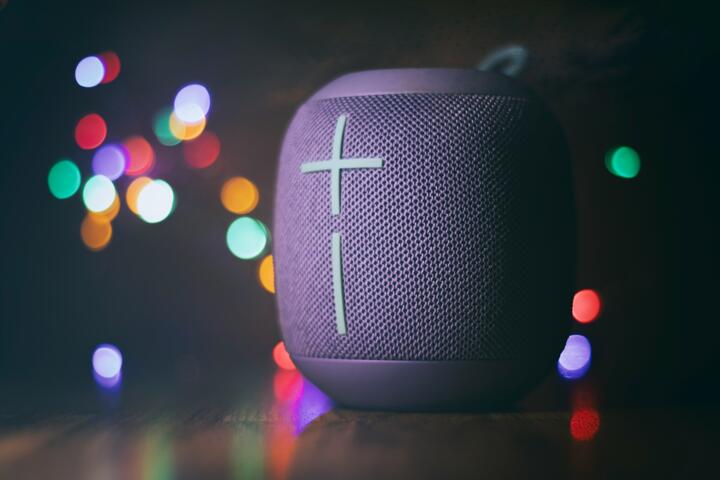
Linking two or more units creates stereo sound or fills large areas. Brands like Ultimate Ears excel at this with proprietary protocols. Practical for parties or multi-room setups.
Price vs. Value
Don’t equate cost with quality. Some sub-$100 models outperform overpriced speakers in sound and longevity. Reading user feedback and testing models through retailers remains valuable. I remember a 2023 Amazon purchase that surprised me by lasting 14 hours and sounding better than a 3x pricier alternative.
Small Real-World Examples
A fitness trainer needed a portable speaker for outdoor boot camps. The JBL Charge 5, with its 20-hour battery, IP67 rating, and rugged build, proved perfect. After months, it still delivers strong sound through rain and sweat-heavy environments, reducing his tech fuss by half.
A graphic designer working from cafes wanted crystal-clear audio without bulky gear. The Bose SoundLink Micro offered surprisingly deep bass for its size under 1 pound. The tiny speaker links easily to laptops and phones without glitches. Productivity increased due to better focus with music, no distraction from dropouts.
Quick Speaker Feature Guide
| Feature | Ideal Spec | Why | Example Model |
|---|---|---|---|
| Battery | 10+ hrs playing | Extended outdoors use | JBL Charge 5 |
| Waterproof | IP67 or higher | Survives rain, spills | Sony SRS-XB33 |
| Bluetooth | 5.0 + range 30m | Stable, distant play | Anker Motion+ |
| Weight | 1–1.5 lbs | Easy to carry | UE Boom 3 |
| Extra Input | Aux + USB input | Flexible sources | Tribit StormBox |
Avoid These Errors
Forgetting sound tests before buying, many rely on manufacturer specs alone. That’s a trap. I’ve tested speakers rated at 20W that sound thin and lifeless in real rooms.
Ignoring recharge time makes a difference; a speaker with a long battery but slow recharge remains inconvenient. A fast-charge feature reduces downtime notably.
Assuming all waterproof means submersible leads to ruined units. Verify the IPX number carefully.
Ignoring build quality or user reviews causes returns. It’s worth checking multiple sources, especially for hinge strength and fabric durability, which tend to fail in months.
FAQ
What battery life should I expect?
Expect between 8 and 12 hours on moderate volume for most quality models. Loud settings reduce this by 20-30%.
Is Bluetooth 5.0 necessary?
Bluetooth 5.0 offers improved range and stability, useful if you use speakers far from your device regularly.
How important is the IP rating?
IP rating ensures resistance against liquids or dust. For outdoor use near water, aim for IP67 or better.
Can multiple speakers pair simultaneously?
Yes; some speakers support stereo pairing or multi-speaker groups, enhancing coverage and stereo separation.
Which is better, compact or larger speakers?
Compact offers portability; bigger ones deliver louder, fuller sound. Choose based on your use case and what you carry.
Author's Insight
I've owned over 15 portable speakers since 2018, testing for sound clarity, durability, and battery life. The hardest part? Finding models that don’t degrade after six months outdoors. Prioritizing true IP ratings and Bluetooth specs saved me many frustrations. Also, I always check real user audio tests, not just spec sheets. Small details, like fast USB-C charging, noticeably improve daily use.
Final Thoughts
A good portable speaker matches your lifestyle, balancing durability, sound quality, and battery life. Test real-world performance beyond specs. Don’t overlook waterproof ratings or Bluetooth versions. Lightweight designs under 1.5 pounds optimize mobility, and extra inputs enhance flexibility. Finally, read multiple reviews before settling on a model to avoid common pitfalls and maximize sound enjoyment on the go.