Why The Choice Feels Hard
Washing machines turned into long-term financial decisions somewhere along the way. Ten years ago, many households bought whatever sat on sale at the local appliance store. Today, one machine can cost $1,400 before delivery, installation, and extended warranty charges.
At the same time, people expect more from laundry appliances. Families wash larger loads. Energy bills matter more. Apartments got smaller. Quiet operation suddenly became a selling point because many people now work from home three or four days a week.
The marketing got louder too.
Manufacturers throw around phrases like “AI sensing,” “adaptive cleaning,” and “smart wash intelligence” even though most buyers care about simpler things: Does it clean well? Does it break? Can someone repair it without waiting 19 days for a replacement board?
Yale Appliance service data from recent years consistently showed brands like Speed Queen and LG performing better than average for reliability, while some budget-heavy models generated more repair calls within the first 5 years. That gap matters once warranties expire.
What Buyers Get Wrong
A surprising number of people shop by appearance first. Stainless trim, touchscreen panels, hidden knobs. Then the machine arrives and barely fits through the laundry room doorway.
Measure before shopping. Not after.
Another mistake is buying too much capacity. A 5.5 cubic-foot washer sounds impressive until a household of two runs half-empty cycles all week. Larger drums use more water and energy when owners constantly underfill them.
People also underestimate noise. High-spin front-loaders can hit 1,200 RPM or more. In a detached house, maybe that does not matter much. In a second-floor apartment at 11 p.m., it absolutely does.
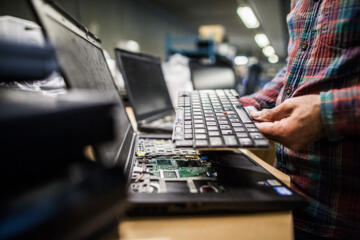
Then there is repairability. Some newer washers rely heavily on proprietary electronics. Once the control board fails outside warranty coverage, repair costs can creep past $500. A lot of consumers discover this too late...
Cheap machines are not always cheap.
How To Buy Smarter
Match capacity to reality
Most households do not need commercial-scale capacity. A washer between 4.0 and 4.5 cubic feet handles laundry for 3 or 4 people comfortably.
Bigger drums help with king-size comforters and bulky bedding, but oversized machines also tempt people to overload cycles. Cleaning performance drops fast when clothes cannot move freely inside the drum.
A family running 8 to 10 loads weekly may benefit from larger capacity. A couple washing twice weekly probably will not.
Pick reliability before features
Skip the flashy extras first. Reliability affects daily life more than app notifications ever will.
Brands like Speed Queen built reputations around simple construction and long lifespans. LG performs well in cleaning tests from Consumer Reports and tends to offer strong front-load reliability. Whirlpool and GE remain easier to service in many U.S. regions because replacement parts are widely available.
Meanwhile, some ultra-connected models pack in Wi-Fi controls, LCD displays, and automatic detergent systems that create more failure points after year four or five.
More electronics, more problems.
Front-load or top-load matters
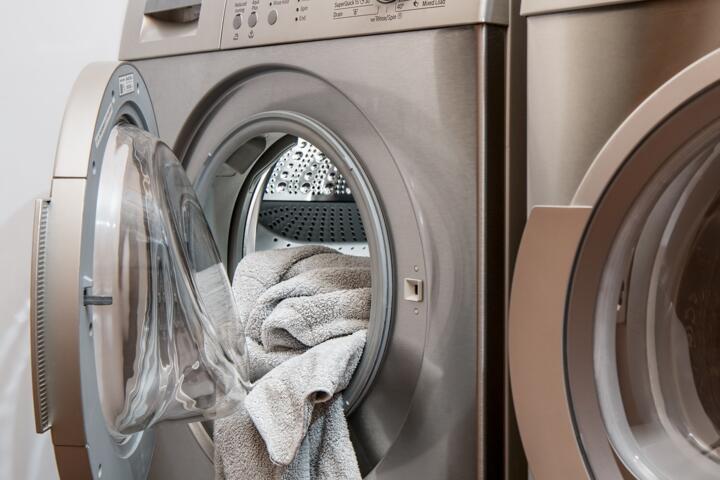
Front-load washers usually clean better and use less water. They also spin faster, which shortens dryer time by pulling out more moisture.
But they require maintenance. Leave the door sealed constantly and mildew smells can develop around the gasket. Buyers who hate maintenance sometimes end up frustrated.
Top-load agitator models remain popular because they feel familiar and cycle times tend to run shorter. They are also easier on people who dislike bending down repeatedly.
The tradeoff sits in efficiency. Many top-load agitator machines use more water per cycle and can be rougher on delicate fabrics.
Watch energy use carefully
An Energy Star washer can cut water consumption by thousands of gallons yearly compared with older models. The savings become noticeable in larger households running daily loads.
Electricity costs changed the equation.
Heat pump dryers deserve attention too if you are replacing both appliances together. They use far less electricity than traditional vented dryers, though drying cycles often take longer.
European buyers adopted this technology earlier because power costs stayed high for years. The U.S. market is catching up slowly.
Think about repair access
A great machine becomes useless if nobody nearby services it. Before buying, search local repair companies and ask which brands they handle most often.
Some technicians quietly steer customers toward Whirlpool, Maytag, GE, or Speed Queen because replacement parts arrive faster. Others complain certain imported models require long waits for specialty boards or sensors.
That delay gets miserable during busy households with children, sports uniforms, and school laundry piling up for 9 days straight.
Noise ratings matter more now
Modern open-concept homes changed appliance shopping. Laundry rooms no longer hide in distant basements all the time.
Machines with direct-drive motors and improved suspension systems run noticeably quieter during spin cycles. LG and Bosch perform well here. Some cheaper top-load machines still shake aggressively during uneven loads.
Watch video reviews, not just spec sheets. A machine can sound acceptable in a showroom and unbearable against thin apartment walls.
Do not ignore cycle length
High-efficiency washers often clean through longer wash times rather than brute force water use. Some eco cycles stretch beyond 2 hours.
That surprises buyers constantly.
If you wash clothes late at night or between work meetings, cycle duration affects daily routines more than marketing brochures admit. Quick-wash settings help, though they usually handle lightly soiled clothing best.
A family with children may care more about finishing three loads before bedtime than squeezing out another 3% energy efficiency.
Skip extended warranties sometimes
Retailers push extended warranties aggressively because profit margins stay high. Many plans overlap with manufacturer coverage or credit card protections.
For lower-cost washers under roughly $700, paying $220 for extra coverage often makes little sense mathematically. On premium models loaded with electronics, the calculation changes.
Read the exclusions carefully. Some plans cover parts but not labor. Others prorate payouts after a few years, which sounds generous until you read the fine print...
What Real Buyers Learned
A family in Phoenix replaced a 12-year-old Whirlpool top-loader with a large smart front-load machine loaded with automation features. The cleaning performance improved immediately, and water usage dropped roughly 25% according to utility bill comparisons.
Then the control panel failed 3 years later.
The repair required a proprietary board that took nearly 3 weeks to arrive. The family eventually bought a simpler replacement model after calculating future repair risks.
Another case came from a Brooklyn apartment owner who switched from a compact top-load washer to a Bosch 300 Series front-loader. Noise levels during spin cycles dropped dramatically, enough that nighttime laundry stopped bothering neighbors below. Electricity use also fell because the faster spin cycle shortened dryer runtime by roughly 18 minutes per load.
Small upgrades change routines.
Quick Comparison Guide
| Type | Water | Noise | Repair |
|---|---|---|---|
| FrontLoad | Low | Quiet | Moderate |
| TopLoad | Higher | Medium | Easier |
| Compact | Low | Quiet | Varies |
| Smart | Mixed | Quiet | Costly |
Common Buying Mistakes
People often buy washers during stressful appliance emergencies. The old machine dies Tuesday night, and by Saturday they own the first thing available for delivery.
That pressure creates expensive decisions.
One common mistake is ignoring long-term dryer pairing. A high-spin washer paired with an old inefficient dryer may create bottlenecks instead of improving laundry speed.
Another problem comes from chasing maximum RPM numbers. Faster spin speeds remove more moisture, yes, but excessive spinning can wrinkle fabrics badly and wear delicate clothing faster over time.
Buyers also forget door clearance measurements constantly. Front-load washers need enough room for fully opening the door plus moving laundry baskets around comfortably. Tight laundry closets expose this mistake immediately.
Then there is installation quality. Uneven flooring causes vibration problems even in expensive machines. A poorly leveled washer can sound broken within 20 minutes of the first cycle.
Simple setup matters a lot.
FAQ
How long should a washing machine last?
Most modern washing machines last between 8 and 13 years depending on usage, maintenance, and build quality. Simpler models with fewer electronic components often survive longer.
Are front-load washers better than top-load?
Front-load models usually clean more efficiently and use less water. Top-load machines remain easier to load, maintain, and repair in many cases.
Which washing machine brands are most reliable?
Speed Queen, LG, Whirlpool, and certain GE models regularly score well for reliability and owner satisfaction. Reliability can still vary between product lines inside the same brand.
Do smart washing machines make sense?
Sometimes. Remote notifications and automatic detergent systems help some households, but extra electronics can increase long-term repair risks and replacement costs.
What washer size works for a family of four?
A washer around 4.5 cubic feet usually handles family laundry comfortably without wasting space, water, or electricity on small loads.
Author's Insight
I have watched appliance shopping become strangely similar to smartphone shopping. Screens got larger, marketing language got louder, and buyers started paying for features they rarely touch after month two.
If I were buying a washing machine tomorrow, I would focus first on reliability data, repair access, and noise. Fancy controls stop feeling exciting very quickly once the machine starts flashing error codes during a pile of wet towels. The best washer is usually the one that disappears into daily life and quietly keeps working for 11 years.
Summary
The best washing machine depends less on brand hype and more on household habits. Capacity, reliability, repair access, noise levels, and energy use affect daily life far more than touchscreen controls or app connectivity.
Measure your space carefully. Compare repair support before buying. And do not confuse more features with better ownership experience. Laundry appliances earn trust slowly, one ordinary cycle at a time.