Why Vacuum Prices Jump
Vacuum prices used to make sense. Cheap upright models sat near $100. Fancy canisters climbed higher. Then cordless brands turned vacuum cleaners into tech products, and the pricing got strange.
A Dyson V15 Detect can cost more than $700. Meanwhile, solid corded uprights from Shark or Hoover still clean carpets well under $250. The gap is not just marketing, though some of it absolutely is.
Battery systems changed everything.
Modern cordless vacuums pack lithium-ion batteries, digital motors spinning above 100,000 RPM, HEPA filtration, sensors, app integrations, and detachable handheld tools. Those parts raise manufacturing costs. They also raise expectations.
The problem is durability. Many consumers spend premium money expecting a 10-year appliance and get something that struggles after 3 or 4 years because the battery fades or replacement parts cost too much. That disconnect frustrates people more than the original price tag.
Where Buyers Waste Money
Most vacuum mistakes happen before anyone plugs the thing in. People buy based on branding, viral TikTok clips, or one dramatic demo involving cereal on hardwood floors.
That tells you almost nothing.
A vacuum that handles dry oatmeal perfectly may choke on pet fur buried inside medium-pile carpet. Another model may clean beautifully but weigh 18 pounds and feel miserable after 12 minutes.
Consumers also overestimate how much suction they need. If you live in a 700-square-foot apartment with hardwood floors and one rug, you probably do not need a flagship machine designed for three shedding dogs and two flights of carpeted stairs.
Cordless convenience creates another trap. Manufacturers advertise battery life under ideal conditions using low-power eco modes that barely pull debris from carpet. Real-world runtime on max suction often lands closer to 9 or 12 minutes.
Read the fine print.
Then there is repairability. Some vacuums practically beg to be maintained. Others feel glued together like disposable electronics. A cheap vacuum that survives 8 years beats an expensive one that becomes e-waste after 30 months.
What Actually Matters
Match the vacuum to flooring
Start with the surfaces inside your home. Hardwood, tile, laminate, thick carpet, low-pile rugs, stairs — they all change what works best.
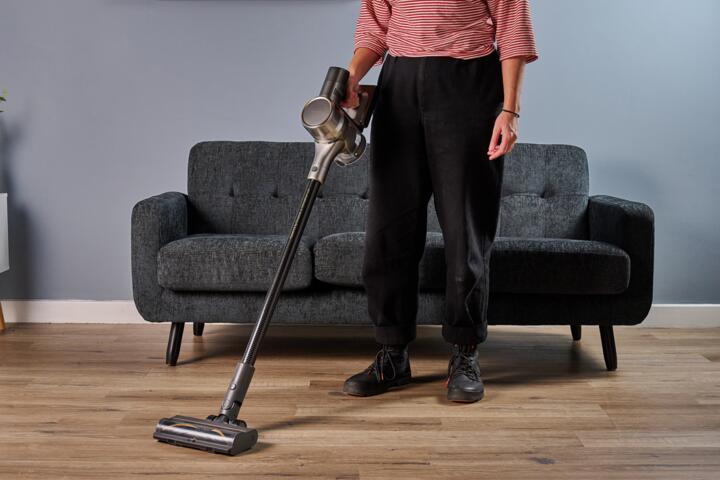
For mostly hard floors, lightweight cordless stick vacuums usually make sense. Shark, Tineco, and Dyson all build models that handle dust and hair well on smooth surfaces. Thick carpeting changes the equation because deep carpet cleaning still favors stronger corded uprights.
Do not buy for fantasy cleaning situations. Buy for the floors you actually walk on every day.
Pay attention to weight
Vacuum weight sounds boring until your wrist hurts halfway through cleaning the stairs. Some premium uprights weigh more than 16 pounds. Lightweight cordless models often sit near 6 or 7 pounds.
That difference matters fast.
If you live in a multi-story home, carry the vacuum frequently, or deal with back pain, lighter machines become easier to use consistently. A vacuum stored untouched in the closet because it feels annoying to move is not saving you money.
Try lifting models in-store before buying online. Five minutes tells you more than 40 product photos.
Ignore peak battery claims
Battery numbers in advertisements behave like highway MPG estimates on SUVs. Technically possible. Rarely realistic.
Many cordless vacuums advertise 60-minute runtime figures. That usually means low suction, no motorized brush roll, and perfect testing conditions. Switch to boost mode for carpets and runtime can collapse below 15 minutes.
Models with removable batteries help because replacements extend lifespan. Samsung Bespoke Jet and LG CordZero systems often include two batteries in the box, which changes daily usability dramatically.
One battery is limiting.
Check replacement costs first
Before buying any vacuum above $300, look up battery prices, filters, rollers, and replacement heads. Some brands quietly charge shocking amounts.
A replacement battery for certain Dyson models can run above $150. HEPA filters may cost $40 to $60. Meanwhile, simpler Shark parts often cost much less and appear more widely available.
This matters because maintenance determines long-term value more than launch pricing does. A $250 vacuum with cheap replacement parts can outlast a $700 model that becomes expensive to maintain after warranty coverage ends.
Pet hair changes everything
Skip weak brush rolls if you own pets. Fur exposes bad vacuum engineering almost immediately.
Long-haired dogs and cats wrap hair around rollers, clog narrow tubes, and overwhelm weak airflow systems. Models with anti-tangle brush designs from Shark, Bissell, and Dyson generally perform better in homes with heavy shedding.
Pet odors matter too. Sealed HEPA systems trap allergens better than older vacuums that leak dusty air back into the room. That difference becomes obvious during allergy season or winter when windows stay closed for weeks.
Bagged vacuums still work well
Bagless vacuums dominate store shelves now, but bagged systems never disappeared for a reason. Miele, Sebo, and Kenmore still make excellent bagged machines with strong filtration and long motor life.
Emptying a bagless dust bin often releases a cloud of fine debris right back into the air. Bagged systems handle dust more cleanly, which people with allergies usually notice immediately.
They cost less emotionally too. No digging tangled hair from transparent plastic bins while trying not to think about what exactly that gray fuzz contains...
Do not chase smart features
Laser dust lights look cool. LCD dirt counters look futuristic. Wi-Fi vacuum diagnostics exist now because apparently every appliance wants an app.
Most buyers stop caring after two weeks.
Reliable suction, decent maneuverability, and reasonable maintenance matter longer than novelty features. Robot vacuums make more sense for smart automation because scheduling actually changes behavior there.
A regular upright or cordless vacuum does not need to send cleaning reports to your phone.
Robot vacuums help differently
Robot vacuums are maintenance tools, not miracle replacements. That distinction saves disappointment.
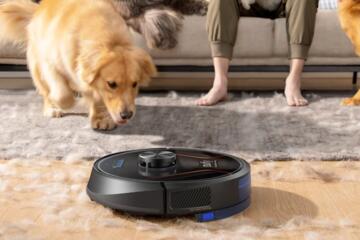
Roborock, iRobot Roomba, and Ecovacs models help reduce daily dust buildup, pet hair accumulation, and crumbs between deep cleanings. They struggle more with corners, stairs, thick rugs, and heavy debris.
Homes with pets benefit the most because robots prevent fur buildup from getting out of control. Running a robot vacuum 5 days a week can noticeably reduce how often full manual vacuuming feels necessary.
But keep expectations realistic.
Real Buying Examples
A couple in Chicago replaced a failing cordless vacuum every 2 years because they kept buying lightweight budget models under $120. Two dogs, medium-pile carpets, and daily shedding overwhelmed the motors.
Eventually they switched to a Sebo Dart upright around the $600 range. Expensive upfront, yes. But the machine handled pet hair better, replacement parts remained available, and maintenance costs dropped sharply over the next 5 years.
Another example looked completely different. A renter in Seattle spent nearly $800 on a flagship cordless vacuum despite living in a one-bedroom apartment with hardwood floors and no pets. The machine worked beautifully, but a $250 Shark stick vacuum would have handled the same cleaning workload almost identically.
The extra features solved nothing.
That is the real pattern with vacuum shopping. Overspending usually comes from buying for imagined future needs instead of current living conditions.
Quick Comparison Guide
| Type | BestUse | WeakSpot | Range |
|---|---|---|---|
| Cordless | Hardfloors | Battery | $200-$800 |
| Upright | Carpets | Weight | $150-$700 |
| Robot | Dailydust | Corners | $250-$1500 |
| Canister | Allergies | Storage | $300-$1200 |
Common Shopping Mistakes
Buying based only on suction numbers causes problems because brands measure airflow differently. One company’s “powerful suction” may feel weaker than another brand’s mid-range model during actual cleaning.
Another mistake is ignoring noise. Some vacuums sound like aircraft engines in small apartments. Others stay surprisingly quiet even at high power. That difference affects how often you want to use the machine.
Noise fatigue is real.
People also forget storage space. Cordless docking stations look sleek online, but bulky floor heads and charging mounts can dominate tiny apartments.
Then there is warranty coverage. Expensive vacuums sometimes carry only 2-year warranties despite premium pricing. Sebo famously offers warranties up to 10 years through authorized dealers, which says a lot about expected lifespan.
Do not ignore repair shops either. If nobody near you services the brand, future maintenance becomes harder and more expensive.
FAQ
How much should a good vacuum cost?
For most households, solid performance starts around $200 to $350. Homes with pets, thick carpeting, or allergy concerns may justify spending more for stronger filtration and durability.
Are Dyson vacuums worth the money?
Dyson makes strong cordless vacuums with excellent engineering and convenient designs. The question is value. Many households can get similar cleaning results from cheaper Shark or LG models depending on flooring and pet needs.
Do cordless vacuums replace corded ones?
Sometimes. Cordless vacuums work very well for smaller homes, apartments, and hard flooring. Deep carpet cleaning and large houses still favor corded models in many situations.
How long should a vacuum last?
A decent vacuum should survive at least 5 years with regular maintenance. Higher-end bagged vacuums from brands like Miele or Sebo often last far longer.
Are robot vacuums worth buying?
Yes for maintenance cleaning. No if you expect them to fully replace deep cleaning sessions. Homes with pets often benefit the most from daily robotic cleaning schedules.
Author's Insight
I think people underestimate how emotional appliance shopping becomes once prices cross $500. Buyers start convincing themselves every premium feature must matter because the purchase feels major. Usually it comes down to flooring, pet hair, weight, and maintenance costs.
If I had to recommend one approach, I would spend less on flashy features and more on reliability. A vacuum that still works well after 7 years feels very different from one that impressed you during unboxing videos...
Summary
The best vacuum is not the most expensive one. It is the model that fits your floors, cleaning habits, storage space, and tolerance for maintenance. Cordless vacuums dominate convenience. Corded uprights still clean carpets deeply. Robot vacuums reduce daily buildup but do not replace serious cleaning.
Match the machine to your actual home, not aspirational marketing. That decision alone saves a surprising amount of money.