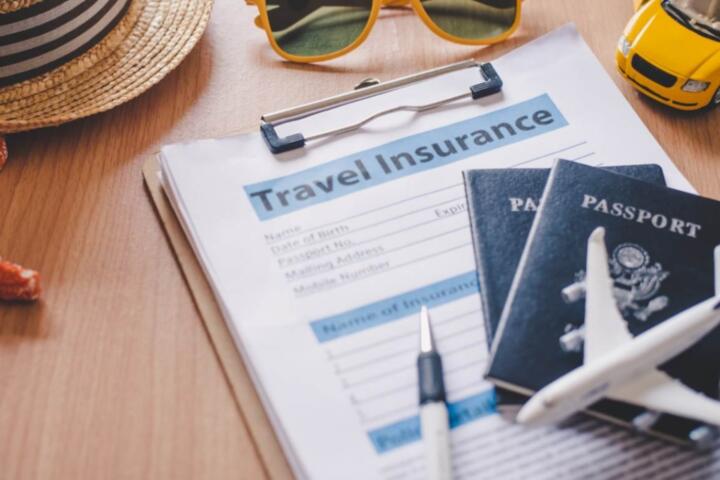
Is Short Trip Cover Needed
Short trips create a false sense of safety. A weekend in Barcelona or a three-day work trip to Paris feels too brief for anything to go wrong. That feeling is not data. It is convenience talking.
Travel insurers like AXA, Allianz Travel, and World Nomads price short-trip policies based on total risk exposure, not duration alone. A policy for a €600 trip often costs €20–€45 depending on destination and coverage tier. That is roughly 3%–7% of trip cost.
Medical treatment abroad does not scale down for shorter stays. A broken wrist in the U.S. can exceed $2,000 before imaging and consultation fees even start. Airlines also do not reduce cancellation chaos for short itineraries.
Short trips compress risk into fewer hours.
Skip travel insurance. You only notice its absence after a delay, not before it. That is how most losses start...
What People Get Wrong
Many travelers assume their credit card coverage replaces full travel insurance. That assumption breaks quickly once you read the fine print. Most cards cover rental cars or delayed luggage, but medical evacuation often sits outside the policy.
Another mistake is treating Europe as low-risk. Public healthcare access varies, and EU coverage rules do not extend outside member states. A two-hour train ride into Switzerland can shift you into a different billing system entirely.
People also misjudge timing risks. Flights on short trips are often booked closer to departure, which leaves less flexibility when disruptions hit. One delay can cascade into missed hotel nights or non-refundable bookings.
One delay changes everything.
Do not assume refunds will arrive automatically. Airlines like Ryanair or easyJet often reimburse under strict conditions, and processing can take weeks. That delay matters when your next trip depends on recovered funds.
Ignore insurance once, and the cost stays invisible. Ignore it twice, and patterns start to show.
Coverage Options That Work
Basic medical cover first
Start with emergency medical coverage before anything else. Most short-trip policies include €50,000 to €500,000 in emergency treatment limits depending on provider. AXA and Allianz both offer entry plans in this range.
Medical claims dominate travel insurance payouts globally. That is not marketing talk, it is claims data. Even a minor infection abroad can trigger hospital visits, prescriptions, and transport costs.
Short trips do not reduce exposure. They compress it.
Flight delay protection
Flight delays matter more on short trips because time windows are tight. Missing a six-hour layover on a weekend trip can erase half your itinerary.
Some insurers trigger payouts after 3–6 hours of delay. World Nomads, for example, offers compensation for missed connections depending on policy level. Payouts typically range from €100–€300 per delay event.
That buffer buys flexibility when schedules collapse.
Lost baggage backup
Lost luggage hits harder on short trips because there is no recovery time. A delayed bag on a 48-hour trip can wipe out the entire wardrobe plan.
Policies often cover €200–€1,500 for delayed or lost baggage. The number sounds abstract until you replace a full travel outfit, toiletries, and chargers in one airport shop...
Airports move bags slowly. Travelers move faster.
Trip cancellation safety
Cancellation coverage protects prepaid costs like hotels and tours. This is where short trips often feel most exposed because bookings are concentrated into a small window.
Illness, work emergencies, or visa issues can trigger cancellations even hours before departure. Some policies reimburse up to 100% of non-refundable expenses if conditions qualify.
No trip is immune to timing conflicts.
Annual plans for frequent travel
Annual multi-trip insurance works better for people taking three or more short trips per year. Instead of buying separate coverage each time, one policy handles multiple departures.
Cost often sits between €120 and €250 annually depending on region and age. For frequent flyers, that reduces friction and avoids repeated checkout decisions.
Less thinking, fewer gaps.
Excess fee trade-offs
Lower premiums often come with higher deductibles. A €50 deductible plan costs less upfront but increases out-of-pocket expenses during claims.
Choosing higher excess reduces monthly cost but shifts risk back onto you. This trade-off matters more on short trips where claim frequency is lower but unpredictability is higher.
Small savings can hide bigger exposure.
Real World Scenarios
A traveler flying from Berlin to Rome for a three-day weekend missed a return flight due to airline strikes. Without insurance, rebooking cost €320 and one lost hotel night added another €140 in sunk cost.
With a basic €25 policy from Allianz, delay compensation covered €200 and hotel reimbursement covered €120. The net loss dropped significantly, though not entirely.
Another case involved a short business trip to London. A traveler developed food poisoning and required private clinic treatment. Total bill reached £680. Insurance covered 90% after deductible.
Medical events ignore trip length.
A third scenario involved lost baggage on a 36-hour Paris trip. Replacement clothing and essentials cost €210 at airport shops. Insurance reimbursement arrived two weeks later, but the upfront hit was unavoidable.
Short trips do not reduce randomness. They just reduce recovery time.
Plan Vs No Plan
| Factor | With Insurance | Without | Impact |
|---|---|---|---|
| Medical | Covered | Full cost | High risk |
| Delay | Partial payout | Self loss | Moderate risk |
| Luggage | Reimbursed | Out of pocket | Moderate risk |
| Cost | €20–€50 | €0 upfront | Trade-off |
Common Mistakes
Travelers often buy insurance too late. After booking flights and hotels, they forget to add coverage until departure day. Some policies require purchase within 24–48 hours of booking to unlock cancellation benefits.
Another mistake is underestimating exclusions. Adventure activities like skiing or scuba diving often need add-ons. A standard policy may exclude them entirely.
People also assume “short trip equals low risk.” That logic fails quickly in cities with high medical costs or frequent transport disruptions.
Do not skip reading limits.
Claims denial often comes from documentation gaps. Missing receipts, unclear medical notes, or delayed reporting can reduce payout eligibility even when the event qualifies.
Insurance does not fail quietly. It fails on paperwork.
FAQ
Is travel insurance needed for 2–3 days?
Yes in many cases. Even short trips carry medical, delay, and baggage risks that do not scale down with duration. The main factor is destination cost level and refund flexibility.
What does short trip insurance cover?
Typical coverage includes emergency medical treatment, trip cancellation, flight delays, and lost luggage. Higher tiers may include rental car protection or activity coverage.
Can I rely on credit card insurance?
Partially. Some cards cover delays or baggage, but medical evacuation and full cancellation coverage are often limited or excluded. Terms vary widely by issuer.
How much does it cost?
Short trip policies usually cost €15–€60 depending on destination, age, and coverage level. Higher-risk regions or longer coverage windows increase price.
When should I skip insurance?
Skipping may make sense for fully refundable trips or domestic travel with strong healthcare access. Risk exposure still exists, but financial impact may be lower.
Author's Insight
Short trips used to feel too small to justify insurance, but repeated cases I’ve seen shift that view. The pattern is not about frequency of problems, it is about timing. A single disruption on a tight itinerary creates outsized damage compared to longer vacations.
When I book travel now, I treat insurance as part of the booking stack, not an optional add-on. Not because something usually goes wrong, but because when it does, there is no time buffer left...
Summary
Travel insurance for short trips often costs little compared to the potential losses from medical emergencies, delays, or cancellations. Coverage becomes most useful when itineraries are tight and non-refundable bookings are concentrated. The decision depends less on trip length and more on financial exposure and flexibility.
Check refund rules, review credit card protections, and compare basic medical coverage before each trip. Short journeys leave little room for recovery, and that is where insurance earns its place.