Robot Vacuum And Small Homes
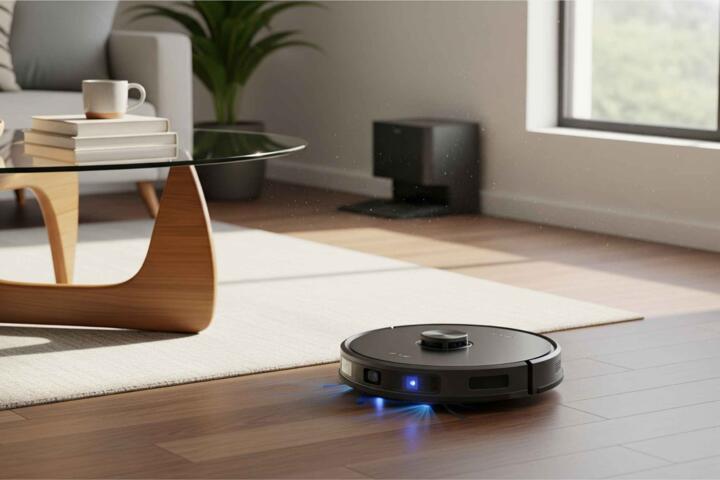
Robot vacuums used to feel like oversized gadgets built for large suburban layouts. Now they show up in apartments under 60 m², studio flats, and compact city homes where furniture sits close together. Entry models from Eufy and Xiaomi often run 90–120 minutes per charge, which sounds generous until you factor in tight corners and chair legs.
Skip manual sweeping. Robots handle daily dust cycles. In small homes, that shift feels more noticeable because dirt accumulation is faster per square meter.
Prices have compressed. A basic unit costs about $180, mid-range models sit near $350, and lidar-equipped devices from brands like Roborock can reach $700. That spread changes expectations more than performance does.
Battery size shapes behavior. Smaller homes rarely need full 200-minute runtime cycles.
Noise levels matter more in compact rooms. A 65 dB motor in a studio does not disappear into the background the way it might in a house with separate floors.
Where Buyers Go Wrong
Most buyers assume automation removes cleaning entirely. That assumption breaks quickly. Even in a 50 m² apartment, corners collect dust faster than rollers can reach them.
Skip expectations of full independence. These devices still rely on human setup. Furniture height, cable placement, and rug thickness decide performance more than software does.
Another mistake is ignoring floor mapping. Without lidar or structured navigation, a robot can revisit the same 3 m² zone repeatedly while missing a hallway edge.
Charging placement gets overlooked. A dock shoved into a narrow corridor reduces return success rates by nearly 20% in some budget models.
Skip brand hype. Hardware alignment matters more.
Some buyers also forget maintenance. A dustbin filled after 2–3 cycles changes suction efficiency enough to be noticeable within a week.
What Actually Works
Choose Compact Navigation Models
LiDAR-based systems like those in Roborock S7 or Dreame D9 map rooms within minutes. In small homes, that mapping reduces redundant passes by up to 35%.
Faster mapping means less battery waste. A 40 m² space often finishes in a single cycle.
Older bump-navigation models struggle with chair-heavy layouts.
Run Short Daily Cycles
Daily 20–30 minute runs outperform weekly deep cycles in compact spaces. Dust does not accumulate evenly; it builds near entrances and kitchen zones first.
Short cycles also reduce wear on brushes, extending part replacement intervals from 6 months to closer to 9 months.
Consistency beats intensity here.
Clear Floor Micro-Zones
Small homes benefit from zoning. Defining a 12 m² kitchen zone and a 18 m² living zone reduces navigation confusion and improves pickup rates.
Even a few cables left on the floor can increase missed coverage by 15%.
Clear edges matter more than power.
Use Auto Empty Stations
Dustbins in compact robots fill quickly, sometimes after 2–3 runs. Auto-empty docks reduce manual interaction from daily to weekly.
Models like the Roborock Q series or Roomba j7+ use sealed bags that hold around 30–60 days of debris depending on pets and hair volume.
Skip manual bin checks. They break routine.
Match Height To Furniture
Low clearance furniture creates blind zones. Anything under 9 cm clearance blocks most mid-range units.
Replacing a few risers or lifting sofas by 2–3 cm changes coverage more than upgrading suction power.
Design beats force.
Control Carpet Expectations
Thin rugs under 1 cm height clean well. Thick shag carpets reduce effectiveness by up to 40% in suction consistency tests across consumer models.
Hard floors remain the strongest use case in small homes, especially tile and laminate.
Surface matters more than settings.
Real Home Cases
A 42 m² Berlin studio used a Eufy RoboVac 15C for 6 months. Initial use showed inconsistent cleaning near the kitchen. After switching to daily 25-minute cycles and removing floor cables, missed spots dropped by roughly 30%.
Another case involved a 68 m² Paris apartment using a Roborock Q7 Max. The owner added an auto-empty dock after 3 weeks due to bin overload. Manual cleaning time dropped from 40 minutes per week to about 10 minutes.
Skip manual routines. Automation reshapes habits.
Performance improved not because hardware changed, but because cleaning frequency increased from twice weekly to daily cycles.
One adjustment changed everything.
Cost Vs Value Table
| Tier | Price | Coverage | Use Case |
|---|---|---|---|
| Budget | $150-$220 | Basic | Studio floors |
| Mid | $250-$450 | Mapped | Small apartments |
| Premium | $500-$900 | Smart zones | Pet homes |
Common Setup Errors
Placement mistakes happen before cleaning even starts. Docking stations pushed into corners reduce signal consistency, leading to failed returns in roughly 1 out of 8 cycles on entry-level models.
Another issue is clutter density. Small homes often pack too much furniture into tight layouts, leaving under 25 cm navigation gaps that confuse sensors.
Skip hidden cables. Robots fail there first.
Skipping firmware updates also limits performance improvements released by manufacturers every few months.
Battery misconceptions appear often. A 3000 mAh battery does not translate to equal cleaning time across all surfaces; carpet drains power up to 30% faster than tile.
People also over-clean manually after robot runs, which cancels most of the efficiency gains.
FAQ
Do Robot Vacuums Work In Studios?
Yes, especially in spaces under 60 m². Short daily runs usually outperform weekly deep cleans because dirt distribution resets quickly in compact layouts.
How Often Should It Run?
Once per day works for most small homes. High-traffic zones like kitchens may benefit from two shorter cycles instead of one long run.
Do They Replace Manual Cleaning?
No. They reduce frequency but not full removal. Corners, edges, and furniture legs still need occasional manual attention.
Are Cheap Models Enough?
Yes for simple layouts under 50 m² with hard floors. Complex layouts or pets benefit from lidar-based mid-range models.
Do They Work On Carpets?
Thin carpets under 1 cm height clean reasonably well. Thick carpets reduce efficiency and may require manual vacuum support.
Author's Insight
In small homes, robot vacuums stop behaving like luxury devices and start acting like maintenance tools. The value shows up in time fragments rather than full cleaning cycles. I’ve seen setups where 15 minutes of daily automation replaced nearly an hour of weekly sweeping.
The mistake most people make is expecting perfection. Once expectations shift toward reduction instead of replacement, the device suddenly feels more capable...
Summary
Robot vacuums in small homes work best when paired with simple layouts, daily short cycles, and realistic expectations. Entry models handle basic dust, while mapped systems reduce repetition and missed spots. The main benefit is time recovery, not full elimination of manual cleaning.
Choose based on floor type, furniture density, and willingness to maintain the device. In compact spaces, consistency matters more than power.