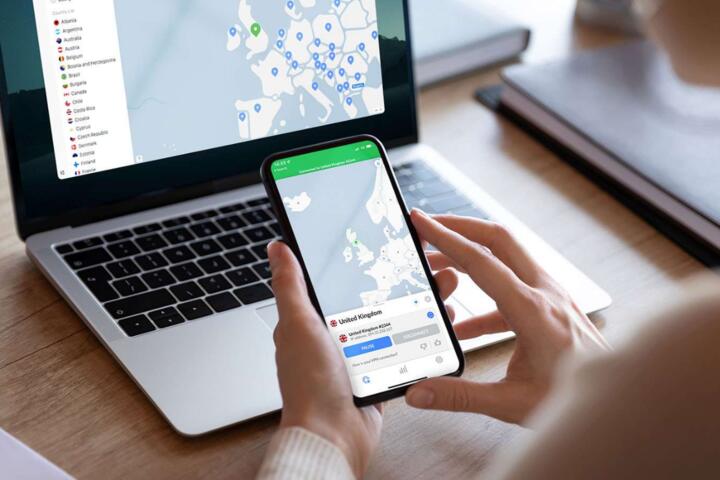
What VPN Actually Does
A VPN routes your internet traffic through an encrypted tunnel and masks your IP address. That sounds abstract until you connect to airport Wi-Fi and realize anyone on the same network could technically snoop on unencrypted traffic. A VPN reduces that exposure by shifting your connection through a remote server.
Global VPN usage has passed 1.6 billion downloads across mobile apps, according to industry estimates from data tracking firms like Statista. The demand keeps climbing, especially in regions with heavy content restrictions or weak public network security.
It changes how your connection looks.
Most consumer VPNs cost between $3 and $13 per month if billed annually. NordVPN, ExpressVPN, and Surfshark dominate the paid market, while free VPNs often limit speed, data, or logging policies in ways users rarely read carefully.
Not all traffic becomes anonymous. Websites still track cookies, logins, and device fingerprints. A VPN hides location and encrypts transport, not identity.
Where VPN Helps And Fails
VPN marketing often blurs a simple distinction: security in transit versus privacy in behavior. The difference matters more than the subscription price.
On unsecured networks like cafés, hotels, or airports, VPNs reduce the risk of packet interception. That matters when logging into banking apps or corporate systems. Without encryption, attackers on the same network can attempt man-in-the-middle attacks or session hijacking.
But browsing at home tells a different story. Your ISP still sees that you are connected to a VPN server, even if it cannot see the exact pages you visit. Streaming platforms also block or throttle known VPN IP ranges. Netflix, for example, actively maintains a blacklist of VPN endpoints.
Skip VPN if you think it makes you invisible online. It does not. It only shifts trust from your ISP to your VPN provider. That tradeoff rarely gets explained clearly.
Still, VPNs help in restrictive environments. In countries with censorship or monitoring, tools like Proton VPN or Mullvad can bypass blocks on news sites and messaging platforms. That use case is more about access than privacy.
When Paying Makes Sense
Public Wi-Fi protection
If you regularly use public networks, a VPN reduces exposure to local attackers. Coffee shops and airports remain common interception points for unsecured traffic. A $5 monthly plan often costs less than one compromised account recovery.
This use case is the clearest win. No ambiguity.
Remote work security
Companies increasingly require VPN access for internal systems. Corporate VPNs differ from consumer tools, but the principle is similar: encrypted tunnels between endpoints.
For freelancers handling client data, a paid VPN adds a layer of protection when working outside controlled office networks. It also helps comply with basic security expectations in contracts.
One breach can cost more than 12 months of subscription fees.
Bypassing network blocks
Schools, offices, and some countries restrict access to websites or apps. VPNs reroute traffic to appear as if it originates elsewhere, unlocking blocked services.
This is not about piracy or evasion for its own sake. It is about reaching resources that are otherwise unavailable due to network rules.
Some providers rotate IPs daily to stay ahead of blocking systems.
Avoiding ISP throttling
Internet providers sometimes slow down specific services like streaming or gaming traffic. VPNs can hide traffic type, making selective throttling harder.
Results vary. In some regions, speed improves slightly. In others, encryption overhead reduces performance by 10–30%.
Test before trusting.
Basic privacy shielding
A VPN hides your IP address from websites, which reduces direct location tracking. Advertisers still use browser fingerprinting, but IP-based profiling becomes harder.
Privacy gains are partial, not total. Combining VPN use with tracker blockers like uBlock Origin produces stronger results than either tool alone.
Stack tools carefully.
Where It Is Not Worth It
Many users buy VPNs expecting full anonymity. That expectation does not survive technical reality.
If your goal is avoiding data collection by social media platforms, a VPN changes little. Facebook and Google track behavior through logged-in sessions, not IP addresses alone. Your account identity remains the anchor point.
Streaming “unlocking” is also inconsistent. Netflix, Hulu, and BBC iPlayer actively detect VPN IP pools. A service that works today may fail tomorrow without warning.
Stop buying VPNs for magic privacy. They are infrastructure tools, not invisibility cloaks.
Mobile users sometimes install free VPN apps thinking they add security. Many of those apps log data or inject ads. A 2023 analysis by VPN testing labs found that several “free” VPNs shared user metadata with third-party analytics companies.
That reverses the entire purpose.
Cost Vs Value Table
| Use Case | Benefit | Risk Reduced | Worth It |
|---|---|---|---|
| Public Wi-Fi | Encryption | High | Yes |
| Streaming | Access | Medium | Sometimes |
| Privacy Browsing | IP masking | Medium | Partial |
| Daily Home Use | Minimal | Low | No |
Common Misunderstandings
People often confuse encryption with anonymity. A VPN encrypts traffic between your device and the VPN server, but websites still know who you are once you log in.
Another misconception is speed improvement. VPNs rarely increase raw internet speed. They can sometimes reduce latency on congested routes, but overhead usually slows connections by a small margin.
Some users believe “no logs” means total invisibility. That claim depends on provider trust and jurisdiction. Even audited no-log policies rely on legal frameworks that vary across countries.
Trust is not a feature.
Others assume all VPNs are equal. They are not. Protocols like WireGuard outperform older OpenVPN setups in speed and stability. Server distribution also affects performance more than most users expect.
A crowded server in one region can cut throughput in half.
FAQ
Do I really need a VPN at home?
Usually no. Home networks already use encrypted HTTPS traffic for most browsing. A VPN adds minimal privacy benefit unless you are hiding location or bypassing restrictions.
Can a VPN stop hackers?
It reduces risk on public networks by encrypting traffic, but it does not protect against phishing, malware, or compromised accounts.
Is a free VPN safe?
Some are safe but limited. Others monetize user data or inject ads. Paid services generally offer stronger privacy guarantees and better infrastructure.
Will a VPN slow my internet?
Often yes. Encryption and routing add overhead. Speed loss typically ranges from 5% to 30% depending on server distance and load.
Is VPN legal?
In most countries, yes. However, some regions restrict or monitor VPN usage. Always check local regulations before relying on one abroad.
Author's Insight
Most VPN discussions overpromise and underexplain. In practice, I use one only when the network feels uncertain or when I am traveling. The rest of the time, it stays off because browser security and HTTPS already cover the basics.
The real decision is not “VPN or no VPN.” It is understanding what problem you are actually trying to solve.
Summary
A VPN is worth paying for in specific situations like public Wi-Fi, remote work, or restricted networks. It is less useful for everyday browsing at home. The value depends on context, not marketing claims.
Choose based on use case, not promises. Then test it in real conditions before relying on it fully.